






Add Row
Add Element
Luxury Landscaping Insider
update
Luxury Landscaping Insider
update
Add Element
  • Home
  • Categories
    • Trendsetters
    • Design Dialogues
    • Transformation Tales
    • DIY Luxe
    • Material Mastery
    • Budget to Bliss
    • Event Spotlight
    • Luxury Landscaping Blog
    • Product Reviews
SUBSCRIBE TO NEWSLETTER  
  • update
  • update
  • update
  • update
  • update
  • update
  • update
February 26.2025
2 Minutes Read

Discover Hotel Rumour: A Unique Adaptive Reuse Project in the Netherlands

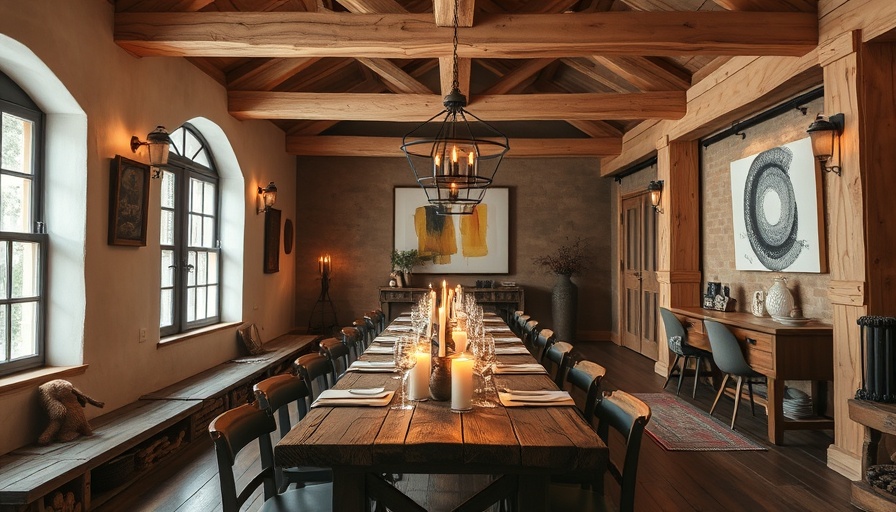
Rustic dining room in adaptive reuse space, Netherlands.

Revitalizing History: The Transformation of a 1657 Carriage House

In the heart of Leiden, Netherlands, a stunning architectural renaissance is underway at Hotel Rumour, a creative reinvention of a historical 1657 carriage house. Nestled near the iconic 11th-century castle, this innovative space is more than just a restaurant or a bar; it stands as a vibrant social hub designed by the acclaimed Studio Modijefsky. Their mission? To create an inviting atmosphere for lively dinners, intimate drinks, private gatherings, and dance nights—though not for overnight stays.

The Creative Reuse Movement: A Growing Trend

Hotel Rumour is part of a larger trend of adaptive reuse that is making waves across the Netherlands. As cities become increasingly urbanized, the need to repurpose old structures into dynamic spaces is more pertinent than ever. Similar projects across the country, such as the transformation of the Tropicana building in Rotterdam and the LocHal in Tilburg, showcase how innovative architecture can breathe new life into derelict sites while preserving their historical essence.

Design Details That Inspire

The interior design of Hotel Rumour highlights the delicate balance of preserving history while embracing contemporary aesthetics. The high ceilings and grand arches of the original carriage house have been expertly maintained, allowing natural beauty to shine through. Rustic wooden beams stripped of paint create a warm, inviting environment, echoing the charm of the past while comfortably accommodating modern patrons.

Distinct design elements include custom stools made with terrazzo counters and vibrant funky-patterned veneer, creating visually engaging spaces that encourage social interaction. The benches, inspired by the carriage's function, contrast the modernist lighting, showcasing a harmonious dialogue between old and new.

Functionality Meets Aesthetics

Notably, the attic has been beautifully transformed into Salon Royale, a versatile gathering space that accommodates various seating arrangements including custom daybeds, enhancing the comfort and flexibility of the area. This space is designed to reflect the playful yet refined nature of Hotel Rumour, inviting guests to indulge in both relaxation and lively conversation.

How Can This Influence Your Design Choices?

The innovative interventions at Hotel Rumour provide a wealth of inspiration for homeowners and business owners alike. Whether considering a refurbishment of your attic into a cozy nook or creating a multi-functional space in your own home, the principles of adaptive reuse can be applied in personal projects. Take a nod from the hotel’s emphasis on preserving historical features while introducing fresh, modern design elements.

Join the Adaptive Reuse Revolution

Hotel Rumour exemplifies that adaptive reuse isn’t just a trend for urban areas; it’s a movement that celebrates history while forging new narratives. As the world embraces sustainability and creativity, consider how your own spaces can reflect this ethos. Each brick has a story—are you ready to tell yours?

To explore further and leverage the design principles demonstrated at Hotel Rumour, consider making innovative changes in your own projects. Dive into the world of adaptive reuse!


Design Dialogues

27 Views

0 Comments

Write A Comment

*
*
Related Posts All Posts
02.20.2026

Reviving a Forgotten French Farmhouse: Insights on Effective Renovation

Update Reimagining a Forgotten Space: The Tellières-le-Plessis Farmhouse In the heart of France, nestled within dense forestation, sat a stone farmhouse in Tellières-le-Plessis that was all but forgotten for over 15 years. Nature slowly wove itself into the fabric of the house, encasing it in vines and settling a thick layer of dust on its age-old surfaces. It was only when a Parisian couple decided to breathe new life into this forgotten relic, collaborating with the architectural firm Les Ateliers Permanents, that plans for restoration emerged. Preserving History with Modern Techniques The renovation, modest in scale at 1,300 square feet, aimed to respect the farmhouse's historical essence while making it functional for contemporary life. Architect Chloé Morin remarked, “From the very first visits, we shared the desire to preserve the spirit of the place—to intervene without erasing.” This philosophy guided every step of the restoration process. Architectural features were lovingly restored, from the wattle-and-daub partitions to lime render finishes, all while implementing eco-friendly insulation. With 12 inches of wood-wool insulation added to the roof, the house maximizes energy efficiency without sacrificing its character. Beautifully Blending Old & New Inside the farmhouse, vintage elements harmoniously coalesce with modern designs. The dining room, once a detached workshop, received a large opening in the stone wall, bringing in natural light and creating a welcoming space. The new poured concrete floor—sanded and sealed—contrasts beautifully with vintage dining furniture, evoking warmth and nostalgia. Meanwhile, the kitchen showcases aerated concrete with plaster and lime wash surfaces, paying homage to past renovations while accommodating modern appliances from recognizable brands like Ariston and Miele. Eco-Conscious Living: A Step Toward Sustainability A standout feature of this renovation is the new heating system; a wood-fired boiler replaced the outdated oil-based system, allowing for an efficient and sustainable heating solution suitable for the home’s environment. Furthermore, restoring original elements cherished by the couple, like vintage lighting fixtures and a found traditional sink, highlights the importance of sustainability in home renovations—choosing to reuse rather than replace. Creating Connection with Nature The project didn’t just stop at the interiors. The landscape around the farmhouse was carefully restored, emphasizing a naturalistic approach that blended the home with its forested surroundings. This landscape intervention allowed the structure to reemerge from its lush environment, creating an inviting atmosphere for both the residents and visiting guests. Why This Matters to Home and Business Owners The restoration of this farmhouse stands as a testament to what can be achieved when respect for historical integrity meets modern ingenuity. For homeowners, this project exemplifies how sensitive renovations can respect a property’s past while infusing it with the conveniences of modern living. Business owners within the hospitality sector can glean inspiration from the careful integration of comfort and sustainability to appeal to contemporary travelers seeking unique experiences grounded in culture and history. This remarkable transformation of the farmhouse in Tellières-le-Plessis illustrates that with the right attitude and expertise, any space, no matter how neglected, has the potential for revival. Whether you’re looking to renovate your home or a commercial space, consider the values of sustainability and historical appreciation in your plans. Ready to begin your design journey? Understanding the lessons learned from projects like this one can empower your choices in creating spaces that are both beautiful and meaningful.

Terms of Service

Privacy Policy

Core Modal Title

Sorry, no results found

You Might Find These Articles Interesting

T
Please Check Your Email
We Will Be Following Up Shortly
*
*
*
