






Add Row
Add Element
Luxury Landscaping Insider
update
Luxury Landscaping Insider
update
Add Element
  • Home
  • Categories
    • Trendsetters
    • Design Dialogues
    • Transformation Tales
    • DIY Luxe
    • Material Mastery
    • Budget to Bliss
    • Event Spotlight
    • Luxury Landscaping Blog
    • Product Reviews
SUBSCRIBE TO NEWSLETTER  
  • update
  • update
  • update
  • update
  • update
  • update
  • update
March 11.2025
3 Minutes Read

Discover How Casa Emma's Pyramidal Lightwell Redefines Modern Living

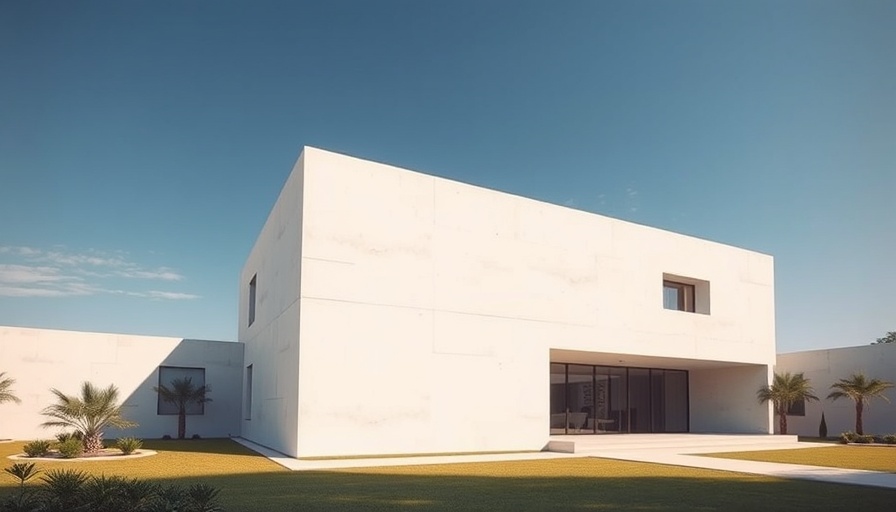
Casa Emma with pyramidal lightwell, modern architecture under clear sky.

Casa Emma: A Sculptural Sanctuary in Morelia

In the bustling city of Morelia, Mexico, a striking architectural achievement by HW Studio is turning heads. Casa Emma, built on a compact 4 by 10 meter plot, centers around a unique pyramidal lightwell, allowing natural light to transform the home into a serene oasis. The design pays homage to the traditional troje granaries of the local Purépecha indigenous culture, blending modern architecture with rich historical significance.

Emulating the Essence of Light

The inspiration behind Casa Emma came from the team’s visit to the Casa das Histórias Paula Rego, a museum in Portugal designed by famed architect Eduardo Souto de Moura. The experience of light cascading through the museum’s tall structures profoundly influenced HW Studio, motivating them to recreate that sense of awe and warmth within their own designs. "It felt as if every corner of the building was bathed in soft, velvety, warm light that touched everything and brought it to life," the team recalled. This emotional connection to light is central to the design, echoing the transformative experiences that architecture can offer.

Thoughtful Design Meets Functionality

Casa Emma’s interior is enveloped in engineered wood, intended to create a floaty aesthetic, much like a delicate fabric. The designers consciously chose this material not only for its beauty but for its ability to amplify light. The home’s carefully placed skylight forms a luminous rectangle at the peak, allowing sunlight to wash down the walls and enliven the lofted bedroom above, offering a sense of openness despite limited square footage.

Architectural Innovation in Limited Space

Architectural projects in dense urban settings often struggle with constraints, which makes the innovative use of space in Casa Emma particularly noteworthy. The home showcases a compact yet highly functional layout, including clever storage solutions in the kitchen and a spiral staircase leading to a distinct mezzanine level. This thoughtful organization maximizes the 54-square-meter footprint without compromising style or comfort.

Contextual and Sustainable Choices

Beyond aesthetics and functionality, the design respects local building traditions and environmental sustainability through its use of chukum—a traditional coating derived from tree resin. The blend of modern engineering with local craftsmanship showcases a commitment to both contemporary living and respect for the indigenous heritage.

Lessons for Homeowners and Designers

What can homeowners and business owners learn from Casa Emma? The project illustrates that thoughtful design can not only provide beautiful spaces but also evoke emotional responses—transforming the way we interact with our homes. In a world increasingly concerned with environmental impact, embracing local materials and historic references can add depth and sustainability to new constructions.

Join the Conversation Around Local Architecture

HW Studio has proven that even in tight spaces, creativity knows no bounds. Casa Emma is an invitation for us to reimagine our living environments and embrace designs that speak to our history while responding to modern needs. Consider how your design choices can create spaces that inspire joy and connection—both for you and the community around you.

Trendsetters

24 Views

0 Comments

Write A Comment

*
*
Related Posts All Posts
03.11.2026

Embrace a Luxurious Lifestyle Through Mastering Slow Living

Update Understanding the Essence of Slow Living The slow living movement is more than a passing trend; it's a profound lifestyle shift that encourages individuals to embrace intentionality and mindfulness in their daily lives. By stepping away from the chaotic pace of modern society, people are rediscovering the simple joys hidden in everyday moments. This philosophy resonates deeply with homeowners and business owners alike, as it emphasizes the importance of nurturing both our mental and physical well-being through our immediate environments. The Science of Green Spaces and Well-Being As highlighted by the TurfMutt Foundation, spending time outdoors can significantly lower stress levels and enhance cognitive function. Research supports that just 20 minutes in a park or backyard can boost one’s mood and contribute to overall well-being. This is particularly important for homeowners seeking refuge from the frenetic pace of the digital age, creating a personal oasis where they can unwind and reconnect with nature. Creating Your Own Sanctuary Making slow living a reality in your home begins with your outdoor space. According to TurfMutt, these elements can beautifully complement your lifestyle: Design for Stillness: Establish quiet zones like shaded seating or fire pits that invite relaxation without distractions. Ditch Devices: Transform your backyard into a tech-free zone to reconnect with the natural world. Observe Wildlife: Enhance your yard with native plants and pollinator-friendly flowers to attract local wildlife. Rediscover Old-School Fun: Engage in classic outdoor games or solitary activities like reading or sketching. Foster Community: Treat neighborhood parks as shared spaces to unwind, encouraging social connections and support. Beyond the Backyard: Cultivating a Slow Living Mindset It's vital to recognize that slow living extends beyond physical spaces; it’s also about cultivating a mindset that prioritizes quality over quantity. As observed in articles from sources like Word Garden, embracing this perspective allows for a more profound appreciation of life’s simple pleasures. Allow moments of stillness to carve out time for hobbies, mindfulness, and crafting deeper connections with our surroundings. Taking Action: Practical Tips for Embracing Slow Living To fully immerse yourself in the slow living ethos, here are actionable steps that can dramatically transform your lifestyle: Mindful Consumption: Make thoughtful choices regarding purchases, focusing on eco-friendly products and materials. Time in Nature: Commit to regular outdoor activities that build a sense of peace and connection. Cultivate Community Connections: Participate in local events or volunteer efforts to enrich your social network. Prioritize Health: Dedicate time each day to mental and physical exercises like yoga or meditation outside. In a culture that often prioritizes hustle over well-being, embracing slow living through conscious choices can lead to a fulfilling, sustainable, and truly luxurious lifestyle. Start small, commit to your personal oasis, and allow the natural world to guide your path toward a more balanced life. To explore comprehensive tips about creating your own living landscape, visit TurfMutt.com.

03.11.2026

How Preparedness and On-Call Disaster Packages Protect Property Owners

Update Why Preparedness is Key in an Unpredictable World In an era where natural disasters have become part of our everyday reality, establishing a proactive stance toward emergency management is crucial for both homeowners and business owners. Preparedness is not just about having supplies on hand; it encompasses strategic planning and prioritization to mitigate risks associated with calamities. Understanding the Landscape of Preparedness Natural disasters—including hurricanes, floods, and extreme weather events—pose a continuous threat to property and well-being. According to the National Oceanic and Atmospheric Administration (NOAA), the frequency of extreme weather claims has surged, pushing property managers to reassess their disaster management strategies. The shift from reactive cleanup efforts to proactive on-call disaster packages represents a forward-thinking approach that prioritizes coordination, speed, and readiness. The Benefits of On-Call Disaster Packages On-call disaster packages allow property owners to establish agreements for emergency services in advance. These arrangements grant peace of mind, as essential services are pre-arranged to mobilize immediately during crises. Instead of scrambling for contractors post-disaster, stakeholders can rely on established protocols that facilitate a swift response. This not only ensures property protection but fosters stronger relationships between service providers and clients, based on trust and mutual understanding. Planning Ahead: The Heart of Preparedness Effective readiness hinges on thorough pre-event planning. Conducting site assessments ahead of time highlights vulnerabilities that might worsen in the wake of a disaster. Elements like access points, tree risk evaluations, and drainage assessments are crucial to pinpoint potential hazards. Proper evaluations enable targeted responses, minimizing distress during emergencies while expediting recovery efforts. Creating Clear Communication Channels In times of crisis, clarity is more valuable than ever. Pre-established emergency contact lists and defined escalation procedures are essential to avoid confusion during stressful times. For larger properties, coordination with local authorities enhances operational efficiency. Proper communication protocols ensure that the right stakeholders are informed and can act promptly, allowing for a controlled and structured approach to disaster response. Tailoring Solutions to Fit Varied Property Needs Every property faces unique challenges during disasters, necessitating tailored on-call packages. By understanding the specific requirements and risks associated with different property types—be it residential, commercial, or industrial—service providers can create customized disaster response strategies. This adaptability allows them to address the unique vulnerabilities that may arise, ensuring a comprehensive and effective disaster management plan. The Value of Investing in Preparedness Ultimately, investing in preparedness transcends the immediate security it offers. It cultivates a culture of resilience among property owners and managers, emphasizing foresight as a powerful tool for mitigating loss. With the unpredictable nature of disasters, the best strategy is to be prepared, not panicked. As we strive for more resilience in our homes and businesses, embracing proactive disaster management not only protects our spaces but also the communities we live in. Engaging in thorough planning, enhancing communication, and developing tailored response strategies are steps that everyone can take to ensure better outcomes in times of crisis. Explore more about how to safeguard your property from unpredictable disasters today.

03.10.2026

Caterpillar's Concept Smart Pickup Truck: A Glimpse into the Future of Vehicles

Update The Future of Work: Caterpillar's Concept Smart Pickup Truck Caterpillar has unveiled an inspiring concept: a fully equipped smart pickup truck based on a Ford F-450 chassis that integrates cutting-edge technologies, including AI and drone capabilities. Although this vehicle is not intended for commercial sale, its design reflects the future needs of construction professionals, particularly foremen navigating multiple job sites. The buzz around this truck, previously sparked by AI-generated images in late 2024, highlights Caterpillar's commitment to innovation and customer feedback. Innovative Features Tailored for Jobsite Efficiency The Caterpillar smart truck is more than just aesthetically appealing. With a striking black and yellow digital paint scheme—what many are calling 'Cat DNA'—and practical features such as rugged tires and enhanced storage, it combines form with function. The interior boasts luxury elements like black leather seats adorned with Cat branding, presenting an interesting balance between premium appeal and work-site utility. Inside the vehicle, managers can utilize the Cat AI Assistant and VisionLink, enhancing job site oversight. Its most fascinating feature might be the autonomous drone mounted on the roof, which empowers foremen to manage tasks from a distance, fundamentally changing the way construction sites operate. Why This Truck Matters to Homeowners and Business Owners Even though the smart pickup truck won't be hitting the market any time soon, its introduction signifies an important shift in how technology is shaping the construction landscape. Home and business owners can recognize value in this evolution: better management of onsite resources allows for less time spent on logistics and more time on project execution. As showcased in previous events like ConExpo, the tools and innovations introduced by Caterpillar aim to make life easier for individuals self-managing their home improvement projects or their business operations. A Glance at the Broader Trends in Automotive Technology This Caterpillar concept truck heralds a larger trend in integrating advanced technologies within pickups. Similar to Caterpillar's focus, other automotive brands are pushing boundaries through enhanced AI systems that improve worker safety, automate tedious processes, and monitor job site conditions. A notable comparison can be made to the CAT Truck concept, which features drone-launching stations and fatigue monitoring systems. These developments suggest a serious commitment from leading companies to equip users with tools that simplify complex task management. Takeaway: Preparing for the Future of Jobsite Management As you consider the implications of innovations like the Caterpillar smart truck, think about how these technologies can improve daily operations, not only for professionals but for savvy homeowners as well. Staying updated on emerging technology—especially in areas of construction and logistics—can give you a competitive edge in project efficiency and quality. Caterpillar's concept models encourage us to reflect on how our own vehicles and equipment can be upgraded for enhanced functionality, even if these concepts won't be available at dealerships anytime soon. Stay informed about advancements in construction technology to harness that future efficiency for your projects. Explore options for upgrading your current equipment and consider how you can integrate smart features into your daily operations.

Terms of Service

Privacy Policy

Core Modal Title

Sorry, no results found

You Might Find These Articles Interesting

T
Please Check Your Email
We Will Be Following Up Shortly
*
*
*

