






Luxury Landscaping Insider
update
Luxury Landscaping Insider
update
  • Home
  • Categories
    • Trendsetters
    • Design Dialogues
    • Transformation Tales
    • DIY Luxe
    • Material Mastery
    • Budget to Bliss
    • Event Spotlight
    • Luxury Landscaping Blog
    • Product Reviews
SUBSCRIBE TO NEWSLETTER  
  • update
  • update
  • update
  • update
  • update
  • update
  • update
February 24.2025
2 Minutes Read

Explore New Holland's Next-Gen PowerStar Tractors: Faster & Higher Lift Capabilities

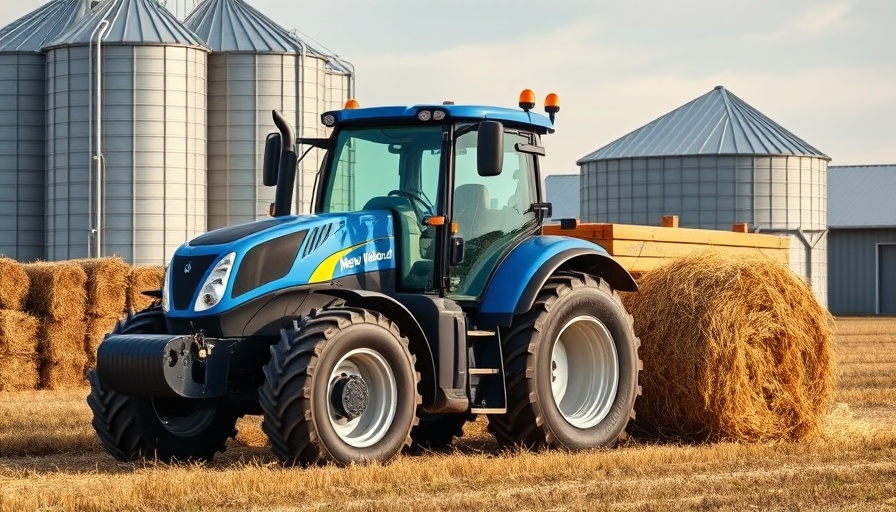
New Holland PowerStar tractor carrying hay in a farm setting.

PowerStar Tractors: A Leap into the Future of Utility Equipment

New Holland is set to revolutionize the utility tractor market with its next-generation PowerStar series, which officially begins selling in the fourth quarter of 2025. This innovative line includes four models—90, 100, 110, and 120 PowerStar tractors—each equipped with advanced technology and enhanced features designed for modern agricultural needs.

Enhanced Power and Efficiency

At the heart of the new PowerStar tractors is a potent FPT Industrial 3.7-liter four-cylinder engine. This machine boasts improved efficiency and torque, thanks to the incorporation of the Compact HI-eSCR 2 emissions technology. Not only does this technology meet stringent European Stage V and U.S. Tier 4 Final emissions standards, but it also offers up to 5 additional horsepower for a more powerful performance in the field. According to Lena Patton, North American product marketing manager, customers are particularly excited about the tractor's ability to reduce fuel costs while maintaining performance.

Smart Transmission Options for Improved Agility

Among the outstanding features of the PowerStar series are its innovative transmission options. The latest tractors come equipped with a choice of either a 12x12 transmission or upgradeable 24x24 Dual Command transmission. The latter features Hi-Lo speeds in all four gears, enhancing navigation through diverse field conditions and boosting productivity significantly. With a new Dynamic Start-Stop mode, operators need only press the brake pedal to halt the tractor, making operation easier and reducing fatigue—a crucial consideration for long hours in the field.

Loader Technology: Efficiency Meets Precision

A remarkable aspect of the new PowerStar series is the introduction of LU Series front loaders that are factory-installed, offering improved lifting capacities and faster cycle times. Designed with an enhanced center of gravity that brings stability, the loaders feature a multi-connection coupler for easier attachment installation and removal. This allows for rapid switching between different attachments, making it a versatile choice for various tasks on the farm.

Redefining Comfort in Operations

The new VisionView cab has also received upgrades aimed at enhancing operator comfort and productivity. Features like a new digital instrument cluster provide vital information at a glance, while an air suspension seat reduces vibration and fatigue. Operators will enjoy improved visibility, especially when the loader is in action, allowing for safer and more efficient operations. The ComfortRide cab suspension can further enhance the ride experience by reducing shock loads by up to 25%.

Why This Matters to Homeowners and Business Owners

For homeowners and business owners alike, these innovations signal not just improvements in performance but also significant cost savings and efficiency gains. The ability to operate tractors that are less taxing on fuel consumption while offering higher lift capabilities can lead to lower operational costs and increased productivity, making the PowerStar series an excellent investment for anyone in agriculture or land management.

The impending rollout of New Holland's next-gen PowerStar tractors marks a pivotal moment in the evolution of utility equipment, affirming New Holland's commitment to combining power, efficiency, and comfort.

Trendsetters

32 Views

0 Comments

Write A Comment

*
*
Please complete the captcha to submit your comment.
Related Posts All Posts
06.04.2026

Discover How Next Gen Vanguard® Engines Boost Productivity and Profitability

Update Revolutionizing Turf Management with Next Gen Vanguard Engines For those in the landscaping business, the efficiency and reliability of their equipment directly impact profitability. The newly designed Next Gen Vanguard® engines have emerged as a game-changer, particularly due to their innovative features tailored to enhance the productivity of turf professionals. Understanding the engineering advancements behind these engines reveals not just their capabilities, but the profound effects on businesses in the lawn care industry. Key Innovations That Make a Difference The Next Gen Vanguard® engines are equipped with groundbreaking technologies like the Advanced Oil Guard System, which allows up to 500 hours of engine run time between oil changes. This means less downtime for turf pros and greater efficiency on the job site. Phil Langolf of Great Outdoors Landscaping praises this system as a transformative advancement, stating it’s “one of the best innovations in commercial lawn technology ever.” By minimizing maintenance interruptions, these engines are designed to keep businesses running without unnecessary pauses, allowing owners to focus on growth rather than equipment upkeep. Heat Management: A Crucial Upgrade Heat can severely affect engine performance, especially during the peak summer months when lawns require the most attention. The Next Gen Vanguard engines have incorporated updated cylinder heads featuring added cooling fins, which improve airflow and reduce operating temperatures by as much as 60 degrees. This enhanced heat management not only optimizes performance but also contributes to the longevity of the equipment, a vital consideration for landscaping businesses operating under demanding conditions. Built Tough for Real-World Challenges Increased performance is only useful if the engines are capable of enduring harsh environments. Next Gen engines feature robust cranking starters and resilient wire harnesses designed to withstand the toughest terrains and heavy workloads. This durability directly translates to a lower total cost of ownership, making these engines a smart investment for both homeowners and business owners looking to expand their operational capacity. The Business Impact: Profitability Through Innovation For landscaping firms, the investment in Next Gen Vanguard engines goes beyond just acquisition. With features designed to boost productivity and ensure consistent performance, these engines help companies think bigger. Instead of stressing about daily maintenance, business owners can focus on acquiring more work and enhancing their service offerings. The overall outcome is a thriving business that not only survives but thrives in a competitive market. Making the Right Choice Understanding the value of these advancements helps homeowners and business owners make informed decisions about their equipment purchases. Investing in technology that reduces downtime and maintenance costs is key to maximizing profitability. With the ability to keep mowers operational longer and minimize service interruptions, Next Gen Vanguard engines present a compelling option for anyone serious about maintaining their properties effectively and profitably. Conclusion—Empowering Turf Pros for the Future The introduction of Next Gen Vanguard engines marks a significant step forward in lawn care technology. With features that enhance performance, reduce maintenance, and maximize uptime, they empower turf professionals to take their businesses to new heights. Without a doubt, these engines are not just about power—they represent a pathway toward sustainable profitability in the landscaping industry. Ready to upgrade your lawn care capabilities? Explore the full story behind Next Gen Vanguard engines and discover how they’re “Powering Next” for businesses in the turf industry at vanguardpower.com/powering-next.

06.03.2026

Unlocking Success: How Landscaping Fleets Drive Consistency in Every Branch

Update Why Landscaping Fleets Are Essential for Success Landscaping companies face significant challenges as they expand across multiple locations. With each branch having its own management style, equipment, and communication protocols, achieving consistency becomes a daunting task. Efficient operations are crucial for maintaining service quality and managing costs. Understanding how effective fleet management can pave the way for greater consistency in service delivery is pivotal for lawn and landscaping businesses striving for growth. The Complex Landscape of Multi-Location Operations As businesses grow, they encounter unique hurdles. For landscaping companies, fragmented operations across different branches can create inefficiencies. Each location may operate according to its own set of guidelines, making it challenging to implement uniform practices. This inconsistency leads to complications in maintenance schedules, safety protocols, and compliance issues, ultimately causing increased downtime and decreased customer satisfaction. The Power of Centralized Data To mitigate these issues, leading companies in the landscaping industry have adopted centralized digital systems for fleet management. Having all operational data in a single platform increases visibility across branches, ensuring that team members can access real-time information about assets, maintenance schedules, and equipment status. This digital transformation not only streamlines operations but also drives better decision-making by providing managers with a holistic view of their operations. From Visibility to Standardization Achieving visibility is merely the first step; standardization is crucial for operational excellence. Once landscaping fleets can see their data clearly, the next logical step is to harmonize practices across branches. Implementing a standardized preventive maintenance program ensures that all equipment, regardless of location, is maintained on the same schedule. This decreases the chance of equipment failures, increasing service quality, and potentially reducing operational costs. Effective Crew Coordination as a Key Success Factor Managing multiple crews effectively is another area where technology plays a pivotal role. Modern tools and software offer dynamic scheduling capabilities that help in overcoming the rigidities associated with traditional scheduling techniques. This allows managers to maximize productivity while minimizing travel time and operational delays. Successful companies are also focusing on standard operating procedures that dictate quality across all teams, ensuring that every customer receives consistent service. Future Opportunities in Landscaping Fleet Management Looking ahead, the landscaping industry will continue to evolve, with a marked emphasis on technological integration. Adopting data-driven decision-making processes will afford businesses the agility needed to respond to changing customer demands and environmental conditions. Companies that invest in innovative fleet management solutions will not only enhance their operational efficiencies but also open new avenues for growth and customer engagement. By understanding the intricacies of managing landscaping fleets and harnessing modern technology, business owners can simplify their operations and provide exceptional service across all locations. The path to sustainability in the landscaping industry lies in embracing these changes and recognizing the importance of unified systems and processes. Take Your Landscaping Business to the Next Level If you’re looking to ensure consistency and drive growth in your landscaping business, now is the time to explore centralized fleet management systems. By standardizing your operations and improving visibility, you can effectively streamline your processes and enhance customer satisfaction. Take action today and revolutionize the way you manage your landscaping services.

06.02.2026

Protecting Your Lawn After Heavy Spring Rains: Essential Tips for Home and Business Owners

Update How to Protect Your Lawn After Heavy Spring Rains Spring showers may bring May flowers, but they can also present challenges for maintaining a lush green lawn. With heavy rainfall affecting lawns across various regions, homeowners and business owners must take proactive measures to ensure the health of their grass. Excess moisture can lead to diseases, nutrient loss, and weakened turf. Here’s a guide to help you protect your lawn after heavy spring rains. The Importance of Patience After heavy rains, the most critical step is to exercise patience. Our instinct might push us to mow or tend to the grass, but the cardinal rule is to hold off on mowing. Mowing wet grass can lead to soil compaction, which damages healthy roots and creates uneven surfaces. Allow the lawn to dry completely before any maintenance to avoid these issues. Just as golf course superintendents must adapt to changing conditions, so too must regular homeowners adjust their care strategies. Nourishing the Grass: Timing is Key Heavy rains can wash away critical nutrients from your soil. Consequently, it’s vital to replenish nutrients at the right time. Experts recommend waiting at least a week after heavy rains before applying any fertilizers. This waiting period allows the ground to dry out adequately and ensures that the soil can effectively absorb nutrients without being overwhelmed. Performing soil tests before fertilizing can help identify which nutrients are lacking and what adjustments are needed for optimal ground health. Dealing With Standing Water If your lawn has standing water, take steps to clear debris and promote drainage. Remove leaves, branches, or any other debris from your yard before trying to mow. This not only prevents chicomposing but also allows your lawn to dry more effectively, reducing potential disease risk. While grasses like Bermuda and Fescue may resist some moisture, excess water can still lead to root issues. Embrace the No Mow Rule As many turf management experts advise, “Wait until your lawn completely dries before mowing.” This guideline minimizes stress on the turf and allows the grassroots the necessary time to recover from saturation. It's a common misconception that mowing can help air the lawn—but wet grass only complicates matters. Instead, focus on allowing nature to dry out your lawn thoroughly. Foot Traffic Caution Heavy foot traffic on wet grasses can lead to compacted soil and damaged blades. Avoid activities that weigh down your lawn during this vulnerable time. If you can, delay any planned gatherings outdoors until the lawn has sufficient time to dry. This lessens the potential for damage and aids in overall turf recovery. Incorporating Expert Insights From golf courses to residential lawns, managing turf health post-rain is crucial. Keith Happ, a senior USGA Green Section agronomist, emphasizes that effective communication regarding turf care can make all the difference. Seek advice from local lawn care professionals or consult community resources that provide ongoing tips tailored to your area's conditions. Following expert insights can guide you through best practices, especially when confronted with the aftermath of heavy rainfall. Conclusion: Caring for Your Lawn this Season By understanding and implementing post-rain lawn care strategies, you can maintain a vibrant and healthy landscape throughout the spring and beyond. If you're seeking expert assistance or want more tailored tips for your lawn's unique condition, consider reaching out to local lawn care services. They can offer personalized services based on the specific challenges faced in your area, ensuring your lawn remains a stunning asset for years to come.

Terms of Service

Privacy Policy

Core Modal Title

Sorry, no results found

You Might Find These Articles Interesting

T
Please Check Your Email
We Will Be Following Up Shortly
*
*
*

