






Add Row
Add Element
Luxury Landscaping Insider
update
Luxury Landscaping Insider
update
Add Element
  • Home
  • Categories
    • Trendsetters
    • Design Dialogues
    • Transformation Tales
    • DIY Luxe
    • Material Mastery
    • Budget to Bliss
    • Event Spotlight
    • Luxury Landscaping Blog
    • Product Reviews
SUBSCRIBE TO NEWSLETTER  
  • update
  • update
  • update
  • update
  • update
  • update
  • update
March 20.2025
3 Minutes Read

Green Kitchens Make a Fresh Comeback: Why You Should Embrace This Trend

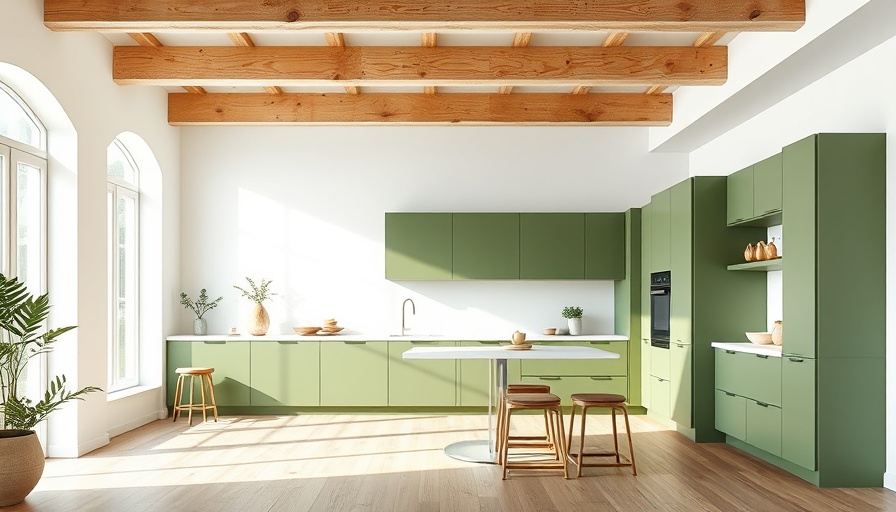
Minimalist green kitchen design highlighting natural materials

Green Kitchens: The Return of a Timeless Trend

Remember the vibrant kitchens that sparked excitement back in 2018? The green kitchen trend is making a notable comeback, taking on a fresh twist with lighter, airier shades. Moving away from the deep jewel tones we once adored, today's green kitchens celebrate a palette that ranges from soft matcha and mint to bold candy apple hues. Whether you’re looking to revamp your home or add a pop of personality to your business space, embracing green can rejuvenate any kitchen.

Why Choose Green for Your Kitchen Space?

One of the most compelling reasons to select green for your kitchen is its connection to nature. This color is often associated with freshness, growth, and tranquility, creating a serene and inviting cooking environment. Architectural designers are now leaning towards these softer shades that remind us of nature’s palette. For instance, a kitchen fitted with springy green cabinets can evoke the beauty of the landscape outside your window, harmonizing your living space with its surroundings.

A Showcase of Inspirational Green Kitchens

Here are several stunning examples of green kitchens that brilliantly demonstrate the versatility and charm of this trend:

  • The House of Dinesen: A carefully crafted kitchen showcasing hand-painted green cabinets that resonate with its natural backdrop.
  • Le Chalet Olivet: A delightful mint green design, infusing modern style into a classic Swiss chalet setting.
  • Subtle Colors in a Victorian Carriage House: In Hackney, verdant cabinets breathe life into an understated space, exemplifying the magic of soft, enriching colors.

Practical Tips for Incorporating Green into Your Kitchen

Ready to jump on the green kitchen trend? Here are some practical tips to seamlessly integrate green into your space:

  • **Start Small with Accents:** If a full kitchen renovation feels overwhelming, consider beginning with smaller elements. Accentuate your kitchen with green utensils, dishware, or even a few indoor plants.
  • **Mix and Match:** Pair green elements with neutral tones to balance vibrancy. For example, white or gray can make green pop without overwhelming the senses.
  • **Experiment with Cabinets:** Consider painting your cabinets in a soft green hue. This updated focal point can redefine the entire space, making it feel fresh and lively.

Emotional Connection to Color Choice

Color has a profound impact on mood. Green, in particular, can instill a sense of peace and calm, making your kitchen a refuge for culinary creativity. Imagine whipping up your favorite meal in a space that reminds you of a lush forest or a sunny garden—this emotional connection not only enhances your cooking experience but also inspires you to invite friends and family over more often.

Looking Ahead: The Future of Kitchen Design

As the trend of green kitchens continues to flourish, it's clear that there are no signs of fading. Observers in the design community are noting a shift towards sustainability and ecologically friendly choices, making green an emblem of renewal in kitchen decor. Homeowners and business owners alike can look forward to innovative designs that celebrate both aesthetics and environmental awareness.

Whether you're a homeowner longing for a kitchen transformation or a business owner seeking to refresh your culinary workspace, incorporating green hues can bring vibrancy, serenity, and a touch of the outdoors inside. Explore the diverse shades and tones available today to find the perfect green for your space, and embrace the latest trend that connects style with a sustainable ethos.

Take action now! Visit your local paint store or consult a designer to explore the lush, lively options available in green. Your kitchen deserves a refresh that’s not only stylish but also serene and inviting.

Design Dialogues

25 Views

0 Comments

Write A Comment

*
*
Related Posts All Posts
02.20.2026

Reviving a Forgotten French Farmhouse: Insights on Effective Renovation

Update Reimagining a Forgotten Space: The Tellières-le-Plessis Farmhouse In the heart of France, nestled within dense forestation, sat a stone farmhouse in Tellières-le-Plessis that was all but forgotten for over 15 years. Nature slowly wove itself into the fabric of the house, encasing it in vines and settling a thick layer of dust on its age-old surfaces. It was only when a Parisian couple decided to breathe new life into this forgotten relic, collaborating with the architectural firm Les Ateliers Permanents, that plans for restoration emerged. Preserving History with Modern Techniques The renovation, modest in scale at 1,300 square feet, aimed to respect the farmhouse's historical essence while making it functional for contemporary life. Architect Chloé Morin remarked, “From the very first visits, we shared the desire to preserve the spirit of the place—to intervene without erasing.” This philosophy guided every step of the restoration process. Architectural features were lovingly restored, from the wattle-and-daub partitions to lime render finishes, all while implementing eco-friendly insulation. With 12 inches of wood-wool insulation added to the roof, the house maximizes energy efficiency without sacrificing its character. Beautifully Blending Old & New Inside the farmhouse, vintage elements harmoniously coalesce with modern designs. The dining room, once a detached workshop, received a large opening in the stone wall, bringing in natural light and creating a welcoming space. The new poured concrete floor—sanded and sealed—contrasts beautifully with vintage dining furniture, evoking warmth and nostalgia. Meanwhile, the kitchen showcases aerated concrete with plaster and lime wash surfaces, paying homage to past renovations while accommodating modern appliances from recognizable brands like Ariston and Miele. Eco-Conscious Living: A Step Toward Sustainability A standout feature of this renovation is the new heating system; a wood-fired boiler replaced the outdated oil-based system, allowing for an efficient and sustainable heating solution suitable for the home’s environment. Furthermore, restoring original elements cherished by the couple, like vintage lighting fixtures and a found traditional sink, highlights the importance of sustainability in home renovations—choosing to reuse rather than replace. Creating Connection with Nature The project didn’t just stop at the interiors. The landscape around the farmhouse was carefully restored, emphasizing a naturalistic approach that blended the home with its forested surroundings. This landscape intervention allowed the structure to reemerge from its lush environment, creating an inviting atmosphere for both the residents and visiting guests. Why This Matters to Home and Business Owners The restoration of this farmhouse stands as a testament to what can be achieved when respect for historical integrity meets modern ingenuity. For homeowners, this project exemplifies how sensitive renovations can respect a property’s past while infusing it with the conveniences of modern living. Business owners within the hospitality sector can glean inspiration from the careful integration of comfort and sustainability to appeal to contemporary travelers seeking unique experiences grounded in culture and history. This remarkable transformation of the farmhouse in Tellières-le-Plessis illustrates that with the right attitude and expertise, any space, no matter how neglected, has the potential for revival. Whether you’re looking to renovate your home or a commercial space, consider the values of sustainability and historical appreciation in your plans. Ready to begin your design journey? Understanding the lessons learned from projects like this one can empower your choices in creating spaces that are both beautiful and meaningful.

02.20.2026

Why White Interiors Will Still Reign Supreme in 2026

Update The Everlasting Appeal of White Interiors in 2026 Every year, design critics declare the end of the all-white interior, yet it remains one of the most revered choices in homes worldwide. White spaces are not simply about lack of color; they embody flexibility, sophistication, and a sense of calm that resonates in contemporary and historic homes alike. As we step into 2026, the allure of white persists, blending traditional elegance with modern sensibilities. Why White Works: The Science and Sensibility Behind It At the heart of the white aesthetic is its remarkable ability to reflect light, creating an illusion of spaciousness and brightness in areas that may otherwise feel cramped. This quality is particularly beneficial in urban apartments and older homes with limited natural light. Additionally, white serves as a neutral backdrop, allowing architectural features, textures, and decor to shine without distraction. Interior designer Leanne Ford emphasizes this timelessness, likening white walls to gallery spaces where art can take center stage. Texture Over Color: Elevating White Interiors A common misconception about all-white spaces is their potential for starkness and monotony. Instead, effective use of white relies on a variety of textures to bring depth and character. Integrating materials like plaster, linen, and natural stone can prevent a flat appearance, ensuring that visual interest remains intact. As we embrace 2026, the focus on texture aligns with a broader trend toward more personalized spaces that feel curated and lived-in, rather than sterile and staged. Choosing the Right White: A Nuanced Approach There is no single shade of white that suits all environments. With countless variations available, the choice of white can significantly affect how a room feels. Warmer whites can soften the cold light of northern exposures, while brighter whites can enhance sunnier, south-facing spaces. Designers often recommend testing samples at different times of day to see how lighting alters the perception of color across various materials, ensuring a perfect match. Creating Calm: The Shift Toward Restorative Spaces In recent years, there’s been a movement toward designing calmer, more restorative environments at home. White interiors contribute to this trend by minimizing visual clutter, enabling lines and shapes to define rooms gracefully. However, warmth must be incorporated to avoid a clinical feel. Elements like vintage furniture, woven textiles, and greenery cultivate a serene atmosphere that encourages relaxation and connection. Conclusion: Embracing White as the Design Constant The enduring nature of all-white interiors ultimately lies in their balance and restraint. While trends may shift towards bold colors or intricate patterns, the timelessness of white allows it to persist as a coveted choice in interior design. It does not demand attention; rather, it enhances the surrounding elements, allowing the true essence of a space to shine through. As we advance into 2026, integrating white with a focus on texture and calm will continue to keep spaces welcoming and evocative. For those looking to revamp their spaces, now is the perfect time to explore how an all-white foundation can elevate your home. Whether through thoughtfully curated textures or the right shade of white paint, there are endless possibilities to create a soothing yet stylish living environment. Embrace the enduring elegance of white and discover the potential it holds for your space.

02.19.2026

How Will Green’s Renovation of a 19th-Century Kitchen Inspires Modern Restorations

Update Reviving a 19th-Century Kitchen: A Transformation Tale Will Green, an accomplished antiques dealer and designer from Towcester, Northamptonshire, has embarked on a remarkable journey of restoring a 19th-century manor house, with its kitchen being the centerpiece of craftsmanship and attention to detail. The house, originally a scullery, faced neglect before Green and his wife, Hayley, began their restoration work. They saw potential where others might have seen a lost cause, with original flagstone floors and historic bones waiting to be transformed into a functional kitchen. Incorporating History into Modern Design Green's approach to renovation is notably respectful of the home's history. Unlike many contemporary designers who might opt for a complete overhaul, he has chosen an incremental method, carefully preserving features that tell the story of the house. The flagstones were painstakingly re-laid after the installation of underfloor heating, ensuring the room retained its original charm while modern comforts were added. This combination is reminiscent of other successful renovations showcased by interior designers, like those in Seattle, where contemporary function meets historical aesthetic seamlessly. Custom Craftsmanship: Making the Kitchen Unique The kitchen's focal point is an antique table that Green adapted for practical use. His modifications included finding oak posts to raise it to a more usable height—a perfect example of balancing function and form. The backsplash features Warm Mix Delft Tiles from the Netherlands, combining functionality with ornamental beauty. This idea resonates with many current trends in interior design, where bespoke pieces and vintage finds are becoming more popular for creating unique and personalized spaces. Emotional Connections through Design What stands out about Green's renovation is the emotional connection he has infused into every corner of the kitchen. The project is not merely about aesthetics; it's about crafting a family space that evolves with time. He notes, "the benefit of having a slow project is that it feels as though the house is growing with us,” highlighting that each element of the kitchen reflects his family's journey and its shared memories, much like homely designs found in modern urban settings. Why Restore? The Value of Thoughtful Renovations The decision to restore rather than renovate often stems from a desire to maintain a link to the past, a sentiment echoed by other homeowners embracing vintage charm against a backdrop of modern function. As observed in various kitchens across the world, the emotional depth and storytelling that come from integrating historical elements into modern spaces often create more than just visual appeal; they forge deeper connections to our living environments. Join the Restoration Movement If you're considering a renovation, whether large or small, think about how you might integrate elements of your home's history with your contemporary lifestyle. Embrace the opportunity to create spaces that reflect not just your taste but also the story of the places we inhabit. By doing so, you not only honor the past but also enrich your future.

Terms of Service

Privacy Policy

Core Modal Title

Sorry, no results found

You Might Find These Articles Interesting

T
Please Check Your Email
We Will Be Following Up Shortly
*
*
*

