






Add Row
Add Element
Luxury Landscaping Insider
update
Luxury Landscaping Insider
update
Add Element
  • Home
  • Categories
    • Trendsetters
    • Design Dialogues
    • Transformation Tales
    • DIY Luxe
    • Material Mastery
    • Budget to Bliss
    • Event Spotlight
    • Luxury Landscaping Blog
    • Product Reviews
SUBSCRIBE TO NEWSLETTER  
  • update
  • update
  • update
  • update
  • update
  • update
  • update
March 07.2025
3 Minutes Read

How Natural Decor Ideas Can Bring the Great Outdoors Into Your Home

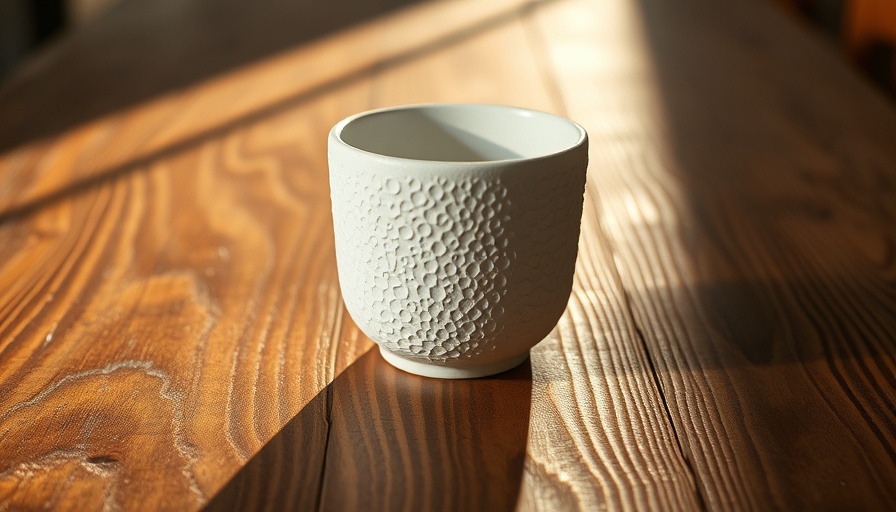
Natural decor idea featuring a wooden table and plant pot.

Transform Your Home with Nature's Touch

In an age where urbanization dominates our landscapes, finding ways to reconnect with the natural world can significantly enhance our living spaces. Incorporating natural decor isn't just an aesthetic choice; it's a lifestyle shift that resonates with our innate affinity for the outdoors—a principle known as biophilic design.

Understanding Biophilic Design

Biophilic design draws from the understanding that humans have an inherent connection to nature, affecting our wellbeing and mood. As noted in recent studies, incorporating elements such as natural light, plants, and organic materials helps create environments that foster calmness and productivity. This design approach not only improves the aesthetics of a space but enriches quality of life.

The Allure of Raw Materials

One of the most impactful ways to infuse your home with a touch of nature is through raw materials. Opting for unrefined pieces like a thick tree slab coffee table or log stools can introduce an earthy element into your decor. As highlighted by decor experts, items like driftwood can serve as functional art, maintaining a tactile connection to nature while also enhancing visual interest.

Stones and Pebbles: Nature's Sculptural Touch

Integrating stones and pebbles into your interior design can add an exciting dimension to your decor. Smooth river stones can function as decorative accents or practical items like bookends, while rough-cut slate may find itself as eye-catching wall art. These elements not only stimulate the sense of touch but also promote a serene ambiance when paired with softer textures.

Dried Flowers: A Timeless Decor Choice

For many, fresh flowers are the go-to for adding color and life to a space. However, dried flowers offer a unique charm and longevity that fresh blooms can't match. The muted palette of dried flowers harmonizes beautifully with various decor styles, and they can serve as a sentimental reminder of special occasions, maintaining their beauty for years to come.

Woven Fibers: Texture Meets Function

Natural textiles like rattan and jute not only enhance the visual texture of a room but provide functional aesthetics as well. A woven basket or jute rug can seamlessly connect indoor spaces with the charm of the outdoors while ensuring a cozy atmosphere. These fibers naturally complement various color schemes, bringing warmth and inviting vibes into any room.

The Rustic Appeal of Clay and Earthenware

Clay pots and terracotta bowls exude rustic charm that can transform any area into an inviting space. The imperfections inherent in handmade pottery add character and facilitate a comforting environment reminiscent of a cozy countryside home. Decorative ceramic pieces can serve both as art and as functional dishware—extending the nature theme into your culinary endeavors.

Natural Fabrics: Soft Touches of Earth

Trading out synthetic materials for natural fabrics such as cotton and linen significantly impacts your space's overall feel. These textiles provide a comforting and breathable atmosphere, essential for a home that feels alive and welcoming. Light, earthy tones can evoke the gentle colors of nature, making your decor a serene refuge from the busyness of life.

A Call to Action: Embrace Nature in Your Home

Embracing natural decor principles is more than just an interior design trend; it’s a step toward enhancing our wellbeing and reconnecting with the environment. By introducing elements like raw wood, natural stones, or dried flowers, you can make your home a sanctuary of peace, creativity, and warmth. Consider what natural touches might resonate in your space—transforming your home into one that celebrates the outdoors while providing a tranquil refuge.

Material Mastery

24 Views

0 Comments

Write A Comment

*
*
Related Posts All Posts
02.15.2026

Librarycore Aesthetic: Is Your Space Ready for a Cozy Reading Retreat?

Update Transforming Your Home into a Librarycore Oasis Is your home missing that cozy, intellectual vibe reminiscent of a library? This February, as National Library Lovers Month unfolds, it's the perfect time to embrace the librarycore aesthetic—a design philosophy that promotes warmth, tranquility, and a profound love for reading. Best of all, achieving this ambiance doesn't require a substantial renovation or intricate architectural changes. Understanding the Librarycore Style The essence of librarycore lies in creating an inviting atmosphere that encourages relaxation and intellectual exploration. Unlike the more expansive dark academia aesthetic, librarycore focuses specifically on the intimate feeling found within libraries. By adopting features such as warm lighting, comfortable seating, and strategically curated bookshelves, you can turn any corner of your home into a reading retreat. It’s about the details—whether it’s the soft textures underfoot or the glow of a reading lamp illuminating your favorite titles. Creating a Cozy Reading Nook First, let's talk about a crucial component of the librarycore aesthetic: the reading nook. Achieving the perfect reading spot doesn’t necessitate purchasing designer furniture. Simply rearranging what you already own can lead to a delightful transformation. Incorporate a cozy chair adorned with plush pillows and a soft throw blanket. A small table nearby can hold your favorite reading beverage, creating a cozy atmosphere that invites you to linger for hours. According to experts, layering various textures plays an essential role in achieving this layered, cozy aesthetic—think woven baskets for extra storage and soft rugs underfoot. Lighting: The Key to Ambient Glow When considering lighting, remember that overhead fixtures often leave spaces feeling sterile. Librarycore thrives on softer, ambient lighting. Swap out harsh bulbs for warm-toned options that create inviting pools of light throughout the room. Move a floor lamp closer to your favorite chair; aim to cast a glow onto the spines of your books. This shift not only enhances the aesthetic but also encourages you to grab a book and settle in for a relaxing read. Curating Your Book Display Books are more than mere reading materials in a librarycore setting; they serve as fundamental decor elements. To create that curated look, focus on just one or two shelves. Arrange a mix of books stacked both vertically and horizontally along with minimal decorative items—a candle, a small sculpture, or a cherished photo. Aim for balance with a focus on leaving some negative space; this prevents overcrowding and maintains that serene library feel. Personalizing Your Space To truly embody the librarycore aesthetic, don’t shy away from personal touches. Incorporate pieces that inspire you—perhaps framed artwork, antique finds, or even plants that bring a touch of nature indoors. Each item should reflect your personality and intellectual pursuits. Moreover, create a “borrowed book” ritual by checking out titles from your local library to keep your space fresh and invigorating. Assorted titles placed in a stack will suggest that this nook is regularly used and loved. Simple Tips for Maintaining a Librarycore Vibe Maintaining the curated, cozy look of your independent library corner can feel like a challenge as life gets in the way. To ensure that your space doesn’t devolve into chaos, set aside just ten minutes every few days to return stray titles to their designated homes. This simple act can keep your nook inviting and ready for spontaneous reading sessions. Conclusion: Embrace the Librarycore Lifestyle The beauty of librarycore is its adaptability to any home, embracing minimalism rooted in a passion for reading. So whether you’re a homeowner or a business owner looking to cultivate an inviting environment, consider implementing the cozy, thoughtful essence of this aesthetic into your living and workspaces. It’s about more than just books; it’s about creating a personal sanctuary that encourages relaxation and intellectual exploration.

02.14.2026

Why the Finnish Dish Drying Cabinet is the Kitchen Upgrade You Need

Update Unlocking Space: The Finnish Dish Drying Cabinet RedefinedAs modern homeowners navigate the challenges of efficient kitchen space management, innovations from the past, such as the Finnish dish drying cabinet, are suddenly becoming relevant again. This clever design, known as astiankuivauskaappi, not only saves space but also simplifies the often tedious kitchen chore of drying dishes. Renowned lifestyle expert Martha Stewart has recently championed its necessity in contemporary kitchens, asserting its value as a multifaceted utility.A Historic Solution to a Modern ProblemThe Finnish dish drying cabinet traces back to the mid-20th century, invented by Maiju Gebhard, who sought to relieve the burdens of kitchen work for families. By strategically placing an open-bottom cabinet above the sink, she turned drying dishes into a minimalist affair where water naturally drips back into the basin below. This modernization continues to inspire even larger designs today, clarifying not merely how we wash, but how we can ingeniously integrate functional storage into our daily lives.Space-Saving BenefitsFor homeowners and business owners in tight quarters—especially those living in urban centers—the cabinet offers a stellar solution by maximizing counter space. Unlike bulky drying racks which can clutter surfaces, the Finnish design allows wet dishes to dry out of sight, effectively decluttering the environment. This well-planned layout aligns perfectly with minimalistic design philosophies, ideal for both small apartments and expansive kitchens seeking a streamlined aesthetic.The Hygienic Advantage of Closed StorageWhen considering hygiene, the open-bottom cabinet establishes a clear edge. By allowing air to circulate freely, it prevents moisture pooling—a common trap for mold and bacteria often found with traditional plastic drying trays. Observations from experts, like Mikko Vaija of Finnish Design Shop, underscore the simplicity and effectiveness of this design. Their approval reinforces why Finnish dish drying cabinets deserve a space in every modern kitchen.Implementing the Finnish Design into Your HomeReady to transform your kitchen? The integration of a dish drying cabinet can be achieved through thoughtful alterations to existing cabinetry or custom installations. Starting with a standard configuration, homeowners might remove the cabinet’s bottom panel and replace it with specialized wire racks that channel drainage efficiently. For those wary about DIY, employing a skilled carpenter can ensure a seamless and efficient installation.Exploring Alternatives and FacetsConsiderations also arise when encountering structural constraints, such as windows. Homeowners can either mount drying solutions beside the sink or invest in smaller, tray-style models that fit within traditional cabinets. The versatility and adaptability of the Finnish cabinet reflect its ongoing relevance in kitchen design, making it an intelligent undertaking for those keen on optimization.Common Missteps in InstallationAs many embark on this endeavor, common pitfalls should be avoided. One major error includes neglecting ventilation. Without proper airflow, moisture may become trapped, leading to warped wood or unpleasant odors. Selecting durable materials, such as 304-grade stainless steel, rather than cheap alternatives, can avert costly damages down the line, ensuring that the investment remains worthwhile.Why Every Home Should Consider This UpgradeUltimately, the Finnish dish drying cabinet offers an elegant solution to a complex problem, merging efficiency with practicality. As kitchens evolve into multifunctional spaces, introducing such an inventive storage option can make even the busiest kitchen operate more smoothly. For a touch of Scandinavian flair that embraces functionality while enhancing home aesthetics, this cabinet stands out as a cornerstone of modern culinary innovation.By appreciating its historical context and capturing its unique benefits, you are now armed with the knowledge needed to elevate your kitchen. Consider making the switch today, and you’ll discover how effortlessly your dish drying routine can become a seamless part of your home.

02.13.2026

Uncovering the Design Legacy of Historically Black Colleges and Universities

Update Historical Legacy of HBCUs: Beyond Just Education Historically Black Colleges and Universities (HBCUs) have long been recognized for their critical role in promoting academic excellence and community development. However, what many may not realize is the profound architectural legacy they possess, particularly as we celebrate Black History Month. These campuses feature intentional designs that speak to resilience, community, and dignity—qualities often overlooked in mainstream narratives about American education. Shaping Spaces with Purpose The origins of HBCUs can be traced back to a time of segregation when access to quality education was fiercely limited. This challenge led to the creation of self-sustaining campus environments. Rather than sprawling, ornate designs aimed at impressing, many HBCUs were built to function like small, cohesive towns. Key elements such as classrooms, housing, and gathering spaces were strategically placed within walking distance to foster safety and a sense of belonging. For instance, at Howard University, we see how urban restrictions birthed vertically integrated buildings and courtyards that are not just spaces but also pivotal social hubs. A Unique Architectural Identity Architecturally, each HBCU campus boasts its own character, blending various styles from Classical Revival to early Modernism while considering local materials and climate. Spelman College, with its elegant brick buildings and manicured quads, creates a unique combination of formality and warmth, while Tuskegee University emphasizes craftsmanship, engaging students directly in the construction of their campus. This hands-on experience not only creates functional spaces but also instills pride among students and communities as each structure tells a part of their collective story. Landscape Design as a Social Catalyst Additionally, the landscape elements of HBCUs are meticulously planned to promote social interactions. Open lawns and shaded paths are not mere aesthetic choices; they serve as vital gathering places. These 'third spaces' allow for informal teaching, performances, and bonding, providing an emotional anchor for students and visitors alike. The seamless integration of outdoor spaces anticipates modern trends in collegiate design that emphasize community-centric environments. Redefining Architectural Principles Today Moreover, the lessons learned from HBCU campus designs continue to resonate in contemporary architecture and urban planning. Their principles of density, community-focused design, and adaptability echo through modern educational spaces, public housing, and civic projects. As society emphasizes inclusivity and sustainability, the architectural ethos of HBCUs serves as a blueprint for future developments aimed at enriching human connection. Recognizing and Celebrating HBCUs As awareness grows around the legacies of HBCUs, so too does the need for preservation. Initiatives like the HBCU Cultural Heritage Stewardship Initiative are designed to protect these invaluable institutions, ensuring their architectural wonders continue to educate and inspire future generations. Recent grants support preservation efforts across campuses, focusing not only on maintaining structures but also on preserving the rich narratives entwined in their legacies. This Black History Month, we’re reminded to look beyond educational achievements and recognize the significance of HBCU design narratives. The thoughtful architecture and campus layouts of HBCUs reflect the very essence of their mission—crafting environments where community can thrive. For homeowners and business owners considering design for resilience and community engagement, HBCU campuses offer inspirational models worth examining that transcend mere function. To engage with this legacy, explore the opportunities within local HBCU campuses and consider how their design principles can influence your own spaces. Embracing the values of resilience and community can lead to incredibly rewarding endeavors in both personal and professional realms.

Terms of Service

Privacy Policy

Core Modal Title

Sorry, no results found

You Might Find These Articles Interesting

T
Please Check Your Email
We Will Be Following Up Shortly
*
*
*

