






Luxury Landscaping Insider
update
Luxury Landscaping Insider
update
  • Home
  • Categories
    • Trendsetters
    • Design Dialogues
    • Transformation Tales
    • DIY Luxe
    • Material Mastery
    • Budget to Bliss
    • Event Spotlight
    • Luxury Landscaping Blog
    • Product Reviews
SUBSCRIBE TO NEWSLETTER  
  • update
  • update
  • update
  • update
  • update
  • update
  • update
May 02.2025
2 Minutes Read

Optimize Your Lawn Care with Vanguard Powering Z-Spray LTS

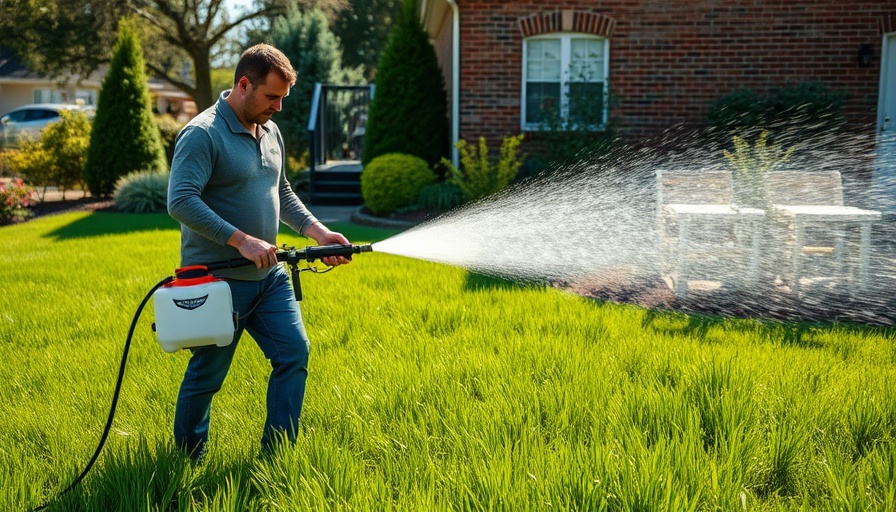
Vanguard powering the Z Turf Equipment Z-Spray LTS on a lush lawn.

Harnessing Vanguard Power for Precision in Landscaping

As landscaping technology evolves, the introduction of robust engines like the Vanguard 300 paves the way for enhanced productivity. Z Turf Equipment’s Z-Spray Lean to Steer (LTS), now powered by this efficient single-cylinder engine, exemplifies how modern innovations in equipment are transforming both residential and commercial lawn care. With the Vanguard 300 engine, which features a reliable 10.0 Gross HP and 307cc displacement, landscape professionals can now handle their tasks with greater ease and effectiveness.

Unmatched Control and Maneuverability

The design of the Z-Spray LTS focuses on user experience, emphasizing easy control for optimal performance. The lean-to-steer functionality allows operators to manage direction and speed with one hand, leaving the other free to operate the spray wand or make adjustments effortlessly. This level of control is particularly advantageous when navigating tighter spaces or complex landscapes, such as gardens with minimal pathways. By enabling simultaneous spreading and spraying, this design optimally utilizes the operator's time and effort.

Stability Meets Design: A Must-Have for Lawn Care

What sets the Z-Spray LTS apart is its low center of gravity, giving operators confidence when working on sloped terrain—a common challenge faced in landscaping that can otherwise lead to accidents or injuries. Its narrow frame allows for passing through 36-inch gates, expanding accessibility to lawns with varied layouts and dimensions, thus making it versatile for a range of landscaping projects.

Innovative Technology for Increased ROI

The Vanguard 300 engine boasts features designed to optimize maintenance and performance. With its exclusive TransportGuard technology, operators can transport their equipment without worrying about fuel and oil mixing. This not only enhances the longevity of the machine by reducing unscheduled oil changes but also ensures readiness whenever needed, which is vital for businesses that thrive on reliability and efficiency.

Prioritizing Durability in Professional Settings

Durability is key for professional lawn care equipment, where the wear and tear from daily use can be significant. Z Turf Equipment made an astute choice in selecting the Vanguard 300, which has proven to withstand tough chemical environments typical in the landscaping sector. "For our professional users, durability is paramount, and Vanguard has consistently delivered on that front," Jonathan Guarneri, product manager at Exmark, noted. Thus, landscapers can maintain focus on delivering quality service without being hindered by equipment failures.

Conclusion: Investing in Quality for the Future of Landscaping

As the landscaping industry continues to innovate, choosing equipment with reliable engine performance, user-friendly designs, and durability becomes crucial for both homeowners and business owners. The Z-Spray LTS powered by the Vanguard 300 engine is a shining example of how technology can support landscaping professionals in delivering exceptional results while maximizing efficiency. If you are in the market for quality lawn care equipment that embodies these characteristics, consider investing in the Vanguard-powered Z-Spray LTS to elevate your landscaping endeavors.

Trendsetters

33 Views

0 Comments

Write A Comment

*
*
Please complete the captcha to submit your comment.
Related Posts All Posts
06.17.2026

Increasing Revenue Is Great, But Are Your Profits Following Suit?

Update The Hidden Costs of Landscaping: A Deep Dive As we delve into the challenges faced by landscaping contractors in today's competitive environment, it's crucial to recognize that increased revenue does not always equate to higher profits. For many contractors, the summer season initially brings feelings of optimism with full schedules, but the reality often shifts as unforeseen circumstances affect operational efficiency. An example can be drawn from the revelation that, even well-booked contractors struggle to maintain profit margins. They may find themselves too preoccupied with daily management to notice gradual losses creeping into their bottom lines through inefficiencies and increased expenses. Why Tracking Revenue Per Crew Hour Matters Among the most effective metrics to distinguish between revenue and profit is revenue per crew hour. Despite its lack of glamor, this measurement can shine a light on operational health. When contractors realize that their revenue per crew hour is slipping, it serves as a critical signal indicating potential efficiency drags, increased overtime, or labor-intensive tasks beyond agreed scopes. Understanding this fundamental metric empowers contractors to make necessary adjustments before small issues snowball into major financial setbacks. Crafting Efficient Routes: The Key to Maximizing Profits Additionally, reevaluating routes is vital. Initially planned routes might become inefficient over time due to new customer additions or changes in service days. This subtle shift can lead to crews wasting time zigzagging across towns rather than working systematically. When contractors ask themselves whether they'd design their routes the same way today, they often find that they wouldn’t. Every time a crew reroutes inefficiently, it's additional funds lost— funds that could contribute to a healthier profit margin. Top Strategies for Enhancing Profit Margins To further enhance profitability, contractors can look to several proven strategies. First, refining the pricing model is essential. Too often, contractors set prices based on competitor rates or simple cost multiplication methods without a true understanding of their operating costs. By breaking down expenses into direct costs, overhead, and desired profit, businesses can create a robust pricing strategy that not only covers costs but guarantees profit as well. Adapting to Consumer Needs: Seasonal Services and Smart Marketing Moreover, in a dynamic market, offering diverse services can also buffer a landscape business against seasonal downturns. Many contractors may not realize the potential in creating off-season services like snow removal, paving the way for year-round income while keeping labor forces steady. Conclusion: The Time is Now for a Check-Up In conclusion, now is a crucial time for landscape contractors to conduct a thorough mid-season review of their financial health. As summer progresses, it’s important to take stock of your operations and tweak elements that could help secure or enhance your profits. Whether it’s reevaluating routes, tracking revenue efficiency, or refining your pricing strategy, understanding your company’s financial landscape can help you thrive in the competitive world of landscaping.

06.16.2026

Discover the Thrill of the NJ Tree Climbing Competition and Its Impact

Update Unleashing Abilities: The Upcoming New Jersey Tree Climbing Competition As the trees sway gently in the warm breeze of June, the excitement builds for the annual New Jersey Tree Climbing Competition. This year, approximately 30 talented professional arborists will gather at Central Park of Morris County, participating in an event that merges athleticism with essential tree care skills. From June 12 to 13, competitors will engage in a series of challenging events designed to showcase their knowledge, precision, and emergency response techniques. Competition Events: A Test of Arborist Skills The event boasts five rigorous preliminary activities: Ascent, Belayed Speed Climb, Aerial Rescue, Work Climb, and Throwball. Each event is structured to assess different aspects of tree climbing and maintenance. For instance, the Aerial Rescue event tests climbers on their emergency response skills and the ability to perform rescues safely high above the ground. These tasks not only highlight athletic prowess but also ensure participants are well-versed in the safety practices vital for modern arborists. Connecting with Professionals: More than Just a Competition This unique competition does more than engage the best climbers; it creates a platform for knowledge sharing among professionals, students, and spectators. Attendees can interact with certified arborists and other tree care experts, gaining insights into tree health, maintenance standards, and the importance of safety in arboriculture. This interaction is especially valuable for landscape professionals considering a shift towards specialized tree care services. Future Implications: Inspiring Trends in Arboriculture As arborists ascend to the peaks of their craft, the trends emerging from these competitions signal a proactive shift in the field of tree care. Safety practices, efficiency in climbing techniques, and innovative equipment are becoming critical in professional arboriculture. The champions from this year's competition will have the added distinction of representing New Jersey at the 2026 International Tree Climbing Championship, which serves as a testament to the growth and recognition of these vital skills. Why You Should Attend For homeowners and business owners alike, understanding the intricacies of arborist competencies is essential when considering tree care services. Attending this event allows you to appreciate the specialized skills required for proper tree maintenance and care, all while enjoying a stimulating and educational occasion. You'll gain insight into how to engage the right professionals in your own landscaping projects. Overall, the New Jersey Tree Climbing Competition not only features competitive spirit but also underscores the importance of expertise in maintaining healthy, beautiful landscapes. Be sure to mark your calendars for June 12 and 13, and come support these dedicated professionals while expanding your own knowledge about the art and science of tree care.

06.16.2026

Essential Strategies to Reduce Lawn Water Usage This Summer

Update The Importance of Water Conservation in Landscaping As homeowners and business owners navigate the sweltering summer months, understanding how to conserve water while maintaining a lush landscape becomes crucial. By implementing effective watering strategies, one can enhance the beauty of their lawn without stressing water resources. This is especially pertinent in areas experiencing drought-like conditions every summer. Smart Techniques to Reduce Lawn Water Usage According to experts, deep but infrequent watering is key. Lawns generally require about 1 to 1.5 inches of water per week, a figure that includes rainfall. For optimal results, the best practice involves watering early in the morning, preferably between 4 and 10 a.m. This timing minimizes evaporation loss and allows grass blades to dry, reducing the risk of disease. To determine how deeply the water penetrates, homeowners can utilize simple tools such as a long-bladed screwdriver to check soil moisture after watering. This will help you understand if you are providing adequate hydration to your lawn's root systems. Leveraging Technology: Smart Irrigation Systems Modern smart irrigation systems offer another layer of water conservation. These systems automatically adjust watering schedules based on real-time weather conditions and soil moisture levels. With features like rain sensors and programmable timers, homeowners can combat overwatering, reduce utility costs, and maintain a healthier lawn without excessive effort. Practical Insights and Tips for Better Lawn Care Adopting a few simple lawn care habits can also promote a water-wise approach. For instance, raise your mower blade height to allow grass to shield the soil from direct sunlight. Leaving grass clippings on the lawn acts as a natural mulch, conserving soil moisture and reducing the need for irrigation. Another effective strategy is to ensure that regular inspections of sprinkler heads and hoses eliminate leaks, which could waste significant amounts of water over time. Designing a Sustainable Landscape When planning a landscape, consider grouping plants with similar water needs together. This not only simplifies irrigation but also helps prevent water waste. Furthermore, choosing native or drought-tolerant plants can significantly reduce the amount of water needed to maintain a residential or commercial lawn. As we strive to balance beautiful landscapes with responsible water use, it is critical for homeowners and business owners to implement these conservation strategies. Not only do they save money on water bills, but they also play a significant role in promoting environmental sustainability. Take Action: For more tips on luxury landscaping and efficient water usage strategies, consider updating your watering system and landscaping design today. Adapting to smarter, water-efficient practices not only elevates your property's charm but also contributes to a sustainable future.

Terms of Service

Privacy Policy

Core Modal Title

Sorry, no results found

You Might Find These Articles Interesting

T
Please Check Your Email
We Will Be Following Up Shortly
*
*
*

