






Luxury Landscaping Insider
update
Luxury Landscaping Insider
update
  • Home
  • Categories
    • Trendsetters
    • Design Dialogues
    • Transformation Tales
    • DIY Luxe
    • Material Mastery
    • Budget to Bliss
    • Event Spotlight
    • Luxury Landscaping Blog
    • Product Reviews
SUBSCRIBE TO NEWSLETTER  
  • update
  • update
  • update
  • update
  • update
  • update
  • update
April 15.2025
2 Minutes Read

Transform Your Home with Inspiration from This Stunning 1960s West Marin Retreat Design

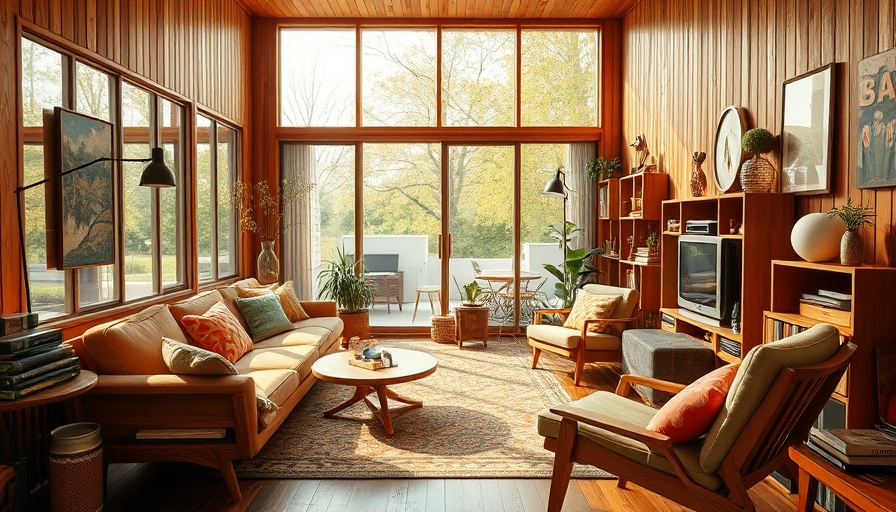
1960s West Marin Retreat Design living room with vintage decor.

Reviving a Classic: The Transformation of a 1960s West Marin Retreat

In the heart of West Marin, overlooking the serene waters of Tomales Bay, a piece of architectural history has been beautifully reimagined. Originally built in 1968 by visionary architect Alex Riley, this retreat is an embodiment of organic architecture, designed to harmoniously integrate with its natural surroundings. Following years of changes and adaptations, it has once again been transformed—this time, by the innovative design firm Commune, known for celebrating local history and infusing it with modern flair.

Organic Architecture on Display

Riley's original 1,000-square-foot creation utilized 3-by-6 cedar tongue-and-groove vertical boards, reflecting an era of design where the structure itself conversed with the environment. Commune honors these organic elements while introducing vibrant colors and textures that resonate with the lifestyle of the new owners. By incorporating Scandinavian design inspirations, they successfully blend the historical essence of the original build with contemporary requirements.

Modern Features with a Historical Nod

One standout feature of the remodel is the collaboration with Oakland-based glass artist Theodore Ellison, who crafted a stunning ornamental tile fireplace that combines artistry with functionality. The kitchen shines with Fossil Green Limestone countertops, expertly leathered for both style and durability. Alongside, refinished beams and dark-painted trims invite the eye to explore the craftsmanship of the home, each detail meticulously curated to enhance its character.

Creating a Harmonious Living Space

The updated design encapsulates the idea of a restful retreat, an aspect greatly valued by today’s homeowners. The use of reclaimed materials aligns with sustainable practices that are becoming increasingly important in the modern design landscape. Features like the English bullrush matting on the ceiling bring a touch of nature indoors, creating an atmosphere that encourages relaxation.

Why this Renovation Matters

For homeowners and business owners alike, this redesign serves as a powerful case study in balancing preservation with innovation. It highlights the significance of honoring architectural integrity while allowing for personal expression. In a world increasingly swayed towards cookie-cutter designs, this project exemplifies how thoughtful renovation can elevate a property’s value while respecting its history.

Join the Movement: Elevate Your Space

For those considering similar renovations, the journey of this West Marin retreat is not just inspirational; it offers actionable insights. Whether it's infusing local elements into your design or advocating for sustainable choices, there’s much to learn. As you contemplate your next home improvement project, think about how you can bring your unique vision to life while respecting the rich history of your space.

This remarkable transformation illustrates the evolution of design and the importance of creating spaces that reflect who we are. Why not start planning your own unique design project today? Embrace your creativity and appreciate the architectural legacies that enrich our lives.

Design Dialogues

26 Views

0 Comments

Write A Comment

*
*
Please complete the captcha to submit your comment.
Related Posts All Posts
05.18.2026

Unlocking Peaceful Home Design: Strategies for Couples

Update Understanding Home Design ConflictsIn the journey of sharing a home, design conflicts can often emerge as a reflection of deeper emotional needs. It's essential to recognize that disagreements about colors or layouts often stem from individual experiences and values tied to home and space. According to licensed marriage and family therapist and interior designer Anita Yokota, these conflicts are about more than just aesthetics; they touch on feelings of belonging, safety, and individual expression.The Bathroom: A Hotbed for TensionSurprisingly, the most common site for disputes is the bathroom. With its limited space and the intimacy of personal routines, this room often sparks arguments over who gets what, from counter space to design elements. Managing these confrontations involves understanding the emotional landscape that leads to them, and can be approached with empathy and effective communication.Healthy Communication is KeyTo resolve home design conflicts, couples should first practice effective communication. Instead of arguing over specific furniture or colors, focus discussions on personal stories that explain each partner’s preferences. This method fosters empathy, revealing why certain designs resonate so deeply with one partner, and it allows mutual understanding rather than rivalry.Your Home, Your Stories: Designing TogetherEmily Thompson's approach highlights the importance of merging individual stories into a cohesive home narrative. Rather than vying for decor dominance, couples can engage in discussions about how they want their home to feel. This broader perspective shifts the focus from mere aesthetics to creating a shared space that reflects both partners' identities.Tips for Harmonizing Home DesignOne prominent tip involves viewing design decisions through a collective lens. Partners can establish criteria based on feelings — for example, agreeing that a living room should communicate warmth and comfort. This goal-oriented discussion allows couples to align their choices with their shared aspirations, turning potential arguments into collaborative creativity.Conclusion: Building a Shared VisionWhether you're debating paint colors or furniture arrangements, remember to approach design conflicts with patience and open-mindedness. By placing shared feelings at the forefront of your discussions, couples can create healing, joyful environments where both partners feel at home.

05.18.2026

How a Modern Design Update Transformed a D.C. Colonial Home

Update A Fusion of Tradition and Modern Design In a compelling display of architectural innovation, a traditional 1980s brick Colonial home in Washington D.C. has undergone a remarkable transformation, merging its classic aesthetics with the sleek lines characteristic of modern design. The project was spearheaded by Fowlkes Studio, led by the talented husband-and-wife duo, VW and Catherine Fowlkes, who embraced the challenge set forth by an Italian couple seeking to integrate their European modernist furniture collection into a family-friendly space. The Bold Exterior Transformation The exterior makeover features a striking painted brick facade, rendered in a sophisticated Blackened hue from Farrow & Ball. Gone are the previous window shutters, replaced with brand-new Marvin casement windows that accentuate the home's modern vibe. One standout feature is the vibrant orange steel stair rail, which injects a pop of color and stands out in the otherwise stately Spring Valley neighborhood. This emphasis on individuality sets the home apart from its more conventional neighbors. Interior Innovations That Wow Inside, the Fowlkes team has redefined traditional design elements, crafting a space that's as livable as it is aesthetically pleasing. They replaced existing partitions with custom cabinetry, allowing for a more open layout that cultivates a sense of flow throughout the rooms. The clean lines of modern furniture from renowned designers like Finn Juhl dominate the space, offering not just visual appeal but a personal connection to the homeowners' European heritage. Crafting a Contemporary Atmosphere Details like new linear moldings honor the home's history while translating traditional design into contemporary terms. Each room features uniquely designed moldings that playfully interact with the decor, reinforcing the modern twist on classic craftsmanship. Catherine explains, "Rather than create wood paneling on walls, we applied square-cut wood to the drywall and introduced a custom crown, providing an elegant backdrop for colorful furnishings." Brightening the Home with Thoughtful Lighting The incorporation of bespoke lighting, predominantly sourced from Italian company Catellani & Smith, uplifts the interiors. With an emphasis on beautifully crafted pieces, lighting within the home plays a functional and artistic role while ensuring that each room feels warm and inviting. Such design choices enhance the convivial atmosphere, making the residence perfect for both family gatherings and intimate get-togethers. What It Means for Homeowners This transformation not only showcases the potential of modern design but serves as a beacon of inspiration for homeowners wrestling with how to honor traditional architecture while integrating contemporary sensibilities. Fowlkes Studio's approach demonstrates that blending styles can yield inviting, functional spaces without sacrificing identity or comfort. As you contemplate your home design, consider how existing structures can be enhanced through thoughtful renovation and the incorporation of your personal style. Whether you're drawn to the boldness of modern aesthetics or the comfort of classic elements, innovation lies in finding harmony between the two. If you’re interested in transforming your living space, explore the possibilities that modern design elements can bring to your home!

05.18.2026

Discover the Artistic Fusion of Modern Design in Colonial Homes

Update Transforming Tradition: A New Vision for Colonial Homes Washington D.C. is home to a multitude of architectural styles, but few are as enduring as the Center-Hall Colonial. This classic design, characterized by a symmetrical facade, offers a quaint charm that many homeowners adore. However, one recent renovation illustrates how contemporary sensibilities can breathe fresh life into this beloved style. With the impressive vision of Fowlkes Studio, a 1980s brick Colonial has been reimagined into a bright and modern family home while respecting its historical essence. From Stuffy to Stylish: The Journey of a Colonial Makeover The homeowners, a dynamic Italian couple deeply immersed in modernism, faced the challenge of melding their exquisite European modernist furniture collection with their Colonial home. This blend of styles seemed daunting at first. The architects at Fowlkes Studio rose to the occasion, implementing design principles that seamlessly integrated modern aesthetics without compromising the structure’s traditional roots. Noticing the outdated features of the house, the designers removed the stale window shutters and the cramped center hall, allowing for a more open and airy flow throughout the space. This transition was pivotal in unifying different styles and enhancing the living experience for the family. Harmonizing Design Elements One of the standout features of the renovation is the striking exterior palette—a painted brick finish in Farrow & Ball's Blackened and newly installed casement windows that open the home to natural light. The vibrant orange steel stair rail adds a contemporary punch, contrasting beautifully with the classic brickwork. As Catherine Fowlkes eloquently noted, these changes help the house stand out amongst its red-brick neighbors, making it a beacon of modern design. A Testament to Modernist Furnishings The furniture selection was a cornerstone of the new design ethos. With pieces from renowned Italian designers like Vico Magistretti and Finn Juhl, the interior reflects both character and contemporary style. The spacious den now features a stunning Finn Juhl sideboard and eye-catching artwork that harmonizes with the warm, inviting color of the walls painted with Farrow & Ball’s Ammonite. This blend of classic furniture with a newly opened layout brings the home's historical context into a modern era. Future Trends: The Evolution of Colonial Homes As homeowners become increasingly inspired by the functionality of modern design, we can expect to see more transformations like this. The emphasis on open spaces, bright colors, and sleek lines will likely dominate future renovations of traditional homes. Architects and designers will continue to innovate while respecting historical elements, crafting bespoke residences that tell a unique story. These changes are not merely cosmetic; they represent a profound shift in how we perceive home living. Homeowners and business owners alike can benefit from understanding how to balance modern convenience with traditional charm, ensuring their spaces are both functional and aesthetically pleasing. Final Thoughts: Embracing Modern Renovations This Washington D.C. renovation is a shining example of how merging styles can create a wonderful living environment that meets the needs of a contemporary family while paying homage to its roots. As the demand for personalized and stylish living spaces continues to grow, homeowners who embrace such thoughtful renovations will undoubtedly lead the way in transforming their communities. Whether you're considering a renovation or simply curious about design trends, exploring how modern updates can coexist with historical architecture may inspire your own home transformation journey.

Terms of Service

Privacy Policy

Core Modal Title

Sorry, no results found

You Might Find These Articles Interesting

T
Please Check Your Email
We Will Be Following Up Shortly
*
*
*

