






Add Row
Add Element
Luxury Landscaping Insider
update
Luxury Landscaping Insider
update
Add Element
  • Home
  • Categories
    • Trendsetters
    • Design Dialogues
    • Transformation Tales
    • DIY Luxe
    • Material Mastery
    • Budget to Bliss
    • Event Spotlight
    • Luxury Landscaping Blog
    • Product Reviews
SUBSCRIBE TO NEWSLETTER  
  • update
  • update
  • update
  • update
  • update
  • update
  • update
March 03.2025
3 Minutes Read

Transform Your Space: 6 Unique Things to Add to Your Bookshelves Besides Books

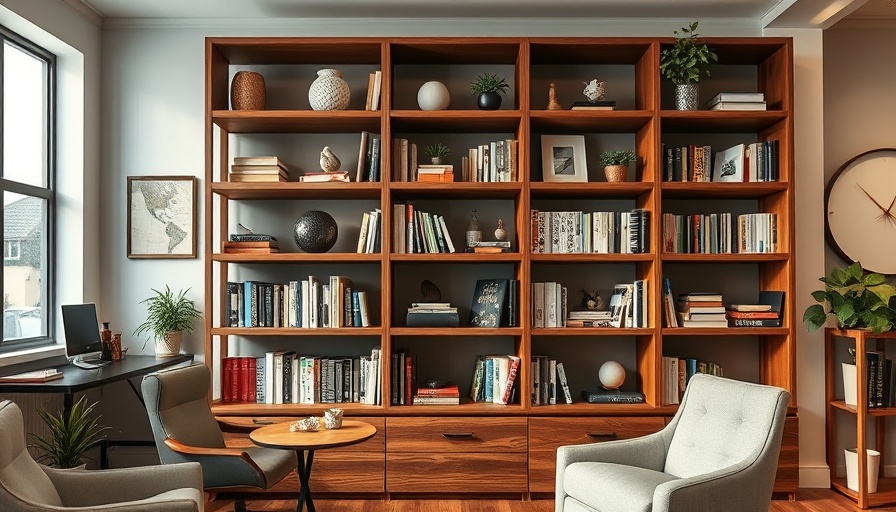
Modern bookshelf decor ideas in a stylish office setting.

Rethink Your Bookshelf: Beyond Just Books

Bookshelves are often thought of as simple storage spaces for novels and textbooks, but there is untapped potential behind this everyday furniture. For homeowners and business owners alike, enhancing a bookshelf can transform a mundane area into an eye-catching focal point. By incorporating a variety of decor items, you can create a uniquely personal space that reflects your style and enhances your environment.

1. The Power of Sculptural Art

Artwork is an invaluable addition to any shelf. Sculptural pieces can act as conversation starters and bring depth to your bookshelf. Select handcrafted or artisan-made items in materials like ceramic, wood, or metal to create visual interest. According to experts, a single sculptural piece can elevate the overall aesthetic, drawing attention and admiration. Aim for simplicity; too many sculptures can overcrowd your space and diminish their impact.

2. Elevate with Framed Art and Photographs

Moving from sculptures to wall art, framed images are an excellent way to inject personality into your shelves. Lean them against the back or partially over books to establish layers. Black-and-white photography exudes sophistication, while colorful paintings add vibrancy. Mixing frame styles can enhance the eclectic feel, allowing your bookshelf to function as a curated gallery showcasing cherished memories or favorite artists.

3. Invite Nature Indoors

Incorporating plants into your bookshelf decor introduces life and vibrancy. Opt for low-maintenance greenery like succulents or pothos, particularly if your shelves lack natural light. If care is a concern, high-quality faux plants offer a stunning alternative without the upkeep. Additionally, natural elements such as driftwood or geodes complement books beautifully, creating a serene and inviting atmosphere.

4. Unusual Bookends for Unique Styling

Bookends are functional items that can be transformed into artistic expressions. Instead of conventional metal bookends, think outside the box with decorative objects such as vintage corbels or polished stones. These unique items not only stabilize your book collection but add character and charm to your bookshelf, making it a visually appealing arrangement.

5. Practical Decorative Storage

Bookshelves can also serve functional purposes beyond displaying books and trinkets. Incorporating stylish storage options like decorative boxes or woven baskets can keep less desirable items organized and out of sight. Utilizing a variety of materials—like leather or rattan—enhances the texture and aesthetic while keeping your space tidy. Stack boxes of varying sizes for added visual flair, especially on lower shelves.

Embracing an Eclectic Approach

The tips outlined here draw from diverse design philosophies that highlight incorporating personality into every corner of your home. According to designer insights, varying your arrangement – stacking some books horizontally and leaving others standing vertically – establishes a dynamic look that intrigues the eye. A well-styled bookshelf is not just a decoration but a conversation starter; it can reflect your values, interests, and memories.

In conclusion, expanding the items featured on your shelves from just books to a collection of art, plants, and functional decor not only adds personality to your space but also invites creativity and visual stimulation. Whether you are curating a design for your home or a lively workspace, remember to let your shelves breathe by allowing thoughtful negative space and avoiding clutter.

To explore more innovative ideas for enhancing your bookshelf and discover how to effectively use your space, visit our website for a selection of design stories and expert insights!

Material Mastery

27 Views

0 Comments

Write A Comment

*
*
Related Posts All Posts
02.12.2026

Discover How to Make Your Home Feel Calmer with European Design Principles

Update Finding Calm in Design: A Shift Towards European AestheticsHomeowners today are increasingly seeking serenity in their living spaces, and the latest trend sees them turning to European design principles that offer a respite from the busyness of modern life. Unlike the visually overwhelming styles that have characterized many contemporary North American interiors, European 'Soft Minimalism' promotes a sense of calm achieved through restraint and thoughtful design elements. As we approach 2026, understanding how to incorporate these principles into our homes can transform not just our environments, but our overall sense of well-being.Understanding the Importance of Visual ClarityThe first lesson from European design is the concept of editing visual noise. This principle, akin to the Rule of Thirds used in photography, advocates for the use of negative space. By allowing certain areas in your home to breathe, and strategically removing clutter, you can create a visual sanctuary. Home spaces should invite relaxation rather than overwhelm the senses. As we head into 2026, consider conducting a minimalistic audit in your home—evaluate your decor and reduce it by a third, creating room for calm.The Shift Towards Warmer TonesWarm neutrals have gained traction as critics of stark white walls seek more muted, earthy palettes reminiscent of nature. Rather than the harsh glare that white can emanate, muted tones like greige and soft clay invite a soothing ambiance, particularly during winter’s shorter days. Homeowners looking to align their interiors with these calming tones should start small: introduce complementary textiles like earthy linen curtains or cozy wool throws, enhancing warmth without immediate full-scale renovations.Mastering Lighting for AtmosphereA stark contrast in lighting philosophies exists between European and North American homes. While the latter may rely heavily on single overhead fixtures, European design favors layered lighting to create a more inviting atmosphere. By ensuring that three to four light sources are used—which could include table lamps or wall sconces—you can mimic the gentle, shifting light of day. Switching to warm bulbs in the 2700K range will notably affect the room's mood, shifting it from the harshness of fluorescent lighting to something much cozier.Choosing Texture Over Statement PiecesEuropean design underscores the idea of tactile depth rather than visual flamboyance. Where others see a need for bold statement pieces to define their aesthetic, embracing textures can lead to a more peaceful environment. Think about incorporating materials like rough-hewn wood or matte ceramics which evoke a sense of authenticity and comfort. Substituting high-gloss items for organic materials can help ground your space and instill a calming effect that speaks more to the senses.Embracing the Lived-In LookPerhaps the most radical divergence from typical styles is the embrace of a 'lived-in' aesthetic, which reflects the human experience rather than a sterile, perfect environment. Allowing spaces to feel used and authentic adds a layer of comfort that many strive for in their homes. A stack of books on the coffee table or a cozy throw casually draped over a chair symbolizes a living space, one that encourages connectivity and ease rather than maintaining a strict adherence to design perfection.As we move into a new era, consider this gentler approach to interior design that European principles advocate. The key takeaway is that creating a calmer home isn’t about sophistication—it’s about smartly choosing what to keep and what to discard, ultimately reflecting a more genuine lifestyle.To enrich your personal space, consider applying these principles thoughtfully as you curate your home. By prioritizing calm over chaos, you can create a sanctuary that not only looks good but feels good too.

02.11.2026

Discover the Best Curtains for Quiet Luxury: Eyelet vs. Back Loop Curtains

Update Understanding the Quiet Luxury Trend in Interior Design With Jennifer Aniston's recent home tour and the increasing popularity of quiet luxury, homeowners are keen to elevate their spaces without succumbing to excess. The concept revolves around creating an ambiance that exudes elegance through subtle details and quality materials, rather than ostentation. This approach is particularly evident in Aniston's stylish living spaces, where the choice of curtain styles plays a significant role. Eyelet Curtains: Functionality Meets Aesthetics Eyelet curtains, recognized for their bold grommet rings, offer a structured, modern solution for high-traffic areas such as living rooms. These curtains' precision creates deep folds that retain their form, mimicking the sleek lines found in upscale hotels. Ideal for homes leaning towards modern and industrial designs, eyelets add a touch of sophistication that complements bustling environments. Back Loop Curtains: The Essence of Quiet Luxury Contrasting the eyelet's sharp design, the back loop curtain champions the principles of quiet luxury. Their hidden loops ensure the curtain rod remains invisible, creating a clean, seamless look that emphasizes the fabric itself. This style is particularly appealing in spaces designed for relaxation, offering a softer touch that enhances the overall tranquility of rooms like bedrooms and nurseries. Choosing the Right Style for Your Home The decision between eyelet and back loop curtains hinges on the overall mood you want to cultivate in your space. If you're aiming for a structural look that commands attention, eyelet curtains are your best bet. However, if you favor a softer, more serene atmosphere, back loop curtains will harmoniously blend into your design. Homeowners should also consider the revealed hardware; eyelets become a design element while back loops emphasize the ethereal quality of the fabric. Common Mistakes to Avoid in Curtain Selection When opting for either curtain style, enhancements come through execution. One common pitfall is insufficient width; curtains should span 2 to 2.5 times the window’s width to avoid an amateur look. Additionally, curtains should ideally graze the floor, as those terminating above can diminish the perceived height of ceilings. Such nuances contribute significantly to the sophistication of any room. Final Thoughts: Elevating Your Space with Thoughtful Design Choices Both eyelet and back loop curtains present unique advantages that cater to different moods and aesthetics within the home. Through meticulous attention to detail and an understanding of how subtleties shape the overall feel of a room, homeowners can enhance their interiors with intentional choices. If you're looking to create a celebrity-level ambiance in your home, carefully consider these options as you embark on your design journey. Investing in quality and aesthetics not only enriches your personal space but also reflects a mature understanding of design that speaks of quiet luxury, just as seen in Jennifer Aniston’s beautifully curated home.

02.10.2026

Embrace the Quiet Kitchen Trend: A Guide to Peaceful Home Living

Update Understanding the Rise of the Quiet Kitchen Trend In today’s fast-paced living environment, our homes have transformed considerably, particularly the kitchen, which has evolved from a simple cooking space into a multifunctional hub for family gatherings, work, and social interactions. Therefore, the sounds of cooking, conversations, and appliances can create a chaotic atmosphere, leading to the emergence of the quiet home trend—an initiative to bring calm and comfort back into our kitchens. The Impact of Design Choices on Acoustics The recent popularity of open-concept kitchens, while aesthetically pleasing, has plenty of downsides. Design choices such as hard stone countertops, minimalist open shelving, and metal appliances amplify noise rather than dampen it. An article from Livingetc points out that elements like large islands can cause sound to ricochet, making a kitchen feel more hectic than inviting. Interestingly, this noise issue gained significant attention from viewers of the hit series The Bear, highlighting a stark contrast between the chaotic restaurant kitchen sounds and the calming atmosphere desired at home. Viewers now consciously consider the sound landscape of their own kitchens, emphasizing a growing desire for tranquility at home. Actionable Strategies for a Quieter Kitchen A quieter kitchen can be achieved through simple adjustments, negating the need for a complete renovation. Here are some effective strategies: Rug Installations: Adding a rug can absorb sound. By softening footsteps and reducing echoes from dropped dishes, this simple addition can transform an overwhelming kitchen into a more serene environment. Material Selection: It’s crucial to choose acoustically absorbent materials. Implementing wooden elements, fabric finishes for window treatments, and utilizing cushions on seating can absorb noise and create warmth. Lighting Adjustments: Switching to warm under-cabinet or counter-level lights can shift the kitchen's overall ambiance from functional to comforting, making it more conducive to relaxation after dinner. Smart Storage: Removing visual clutter from open shelving can significantly reduce perceived noise. Storing away items in cupboards and employing decorative baskets keeps the kitchen visually appealing while minimizing sound distractions. Embracing the New Normal The quiet kitchen trend is not merely a fleeting design fad; it reflects a deeper cultural shift towards intentional living spaces. Homeowners are increasingly prioritizing comfort and peacefulness over aesthetic minimalism. The kitchen continues to be a crucial space, and its transformation into a quieter environment can lead to a more tranquil home overall. By embracing small changes, each homeowner can contribute to a quieter atmosphere throughout the house. Why This Trend Is Here to Stay As remote work and family interactions remain prominent, quiet spaces are needed more than ever. The popularity of this trend signals a collective consciousness about home environments. Just as the modular kitchen equipped for post-dinner relaxation becomes an escape from the chaos of our external world, homeowners realize that the appeal of softer, serene spaces is about enhancing their lifestyle. In conclusion, the art of quieting the kitchen extends beyond aesthetics—it's a move towards mindfulness and balance in our homes. Are you ready to embrace this change by investing in your kitchen’s calmness?

Terms of Service

Privacy Policy

Core Modal Title

Sorry, no results found

You Might Find These Articles Interesting

T
Please Check Your Email
We Will Be Following Up Shortly
*
*
*

