






Add Row
Add Element
Luxury Landscaping Insider
update
Luxury Landscaping Insider
update
Add Element
  • Home
  • Categories
    • Trendsetters
    • Design Dialogues
    • Transformation Tales
    • DIY Luxe
    • Material Mastery
    • Budget to Bliss
    • Event Spotlight
    • Luxury Landscaping Blog
    • Product Reviews
SUBSCRIBE TO NEWSLETTER  
  • update
  • update
  • update
  • update
  • update
  • update
  • update
April 10.2025
2 Minutes Read

Transform Your Space: Color Insights from Little Greene's Ruth Mottershead

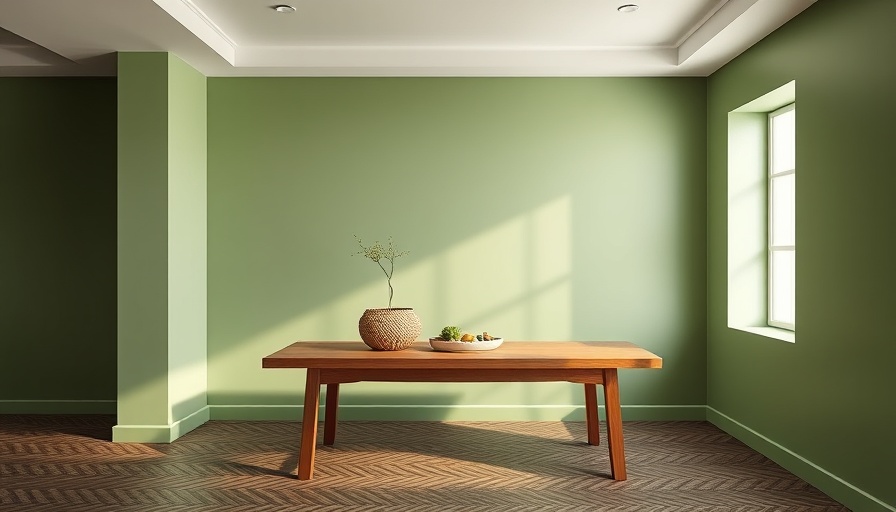
Modern interior with green walls and a wooden table, transform your space with color insights.

Rediscovering Color in Home Design

Color plays a pivotal role in home design, dramatically influencing the mood of a space and the emotions it evokes. As homeowners and business owners look for innovative ways to transform their environments, understanding color trends can provide a fresh perspective. Ruth Mottershead, the creative director at Little Greene, encourages experimentation, especially with the arrival of spring, signaling a perfect opportunity for renewal.

Little Greene: A Legacy of Quality

Little Greene, a family-owned paint company based in Manchester, has a rich history that reflects its commitment to quality and craftsmanship. Originally founded near one of the earliest dye works established in 1773, the company has embraced modern techniques while honoring its artisanal roots. Ruth Mottershead emphasizes that the paints contain 40% more pigment than many competitors, resulting in enhanced depth of color and fewer coats needed for full coverage. This method resonates with customers looking for both sustainability and uniqueness in their choices.

The Importance of Color Psychology

Understanding color psychology is vital for homeowners as they make design choices. Different colors can evoke varied emotions—blue instills calmness, while yellow radiates warmth and joy. Ruth Mottershead suggests considering how each color can transform daily experiences in a home. For instance, a dark, rich green might create a cozy and intimate atmosphere, perfect for a living room setting.

Current Trends in Home Color Choices

As the industry evolves, so do the trends in paint colors. Mottershead notes an intriguing shift towards nature-inspired hues—think earthy tones and muted pastels that bring a touch of the outdoors in. This trend not only beautifies spaces but also fosters an emotional connection to nature, a vital aspect of modern design philosophy.

Making the Right Choice: Tips from the Pros

Selecting the right shade can feel overwhelming, especially with so many enticing options. The key, Mottershead advises, lies in sampling. Little Greene encourages homeowners to test colors in their own space, as lighting and surrounding items can significantly alter how a color appears. By applying samples on walls and observing them at different times of day, individuals can make informed decisions that best suit their environments.

Conclusion: Color Your World with Little Greene

Color is not merely aesthetic; it significantly affects how we engage with our environments. As you plan your next renovation or refresh, consider experimenting with bold shades or embracing subtle hues inspired by nature. Don’t shy away from reaching out to industry experts like Ruth Mottershead to guide you through the colorful world of home design. Take the plunge—your walls can tell a story.

For more insights on the transformative power of color, explore the extensive range of paints offered by Little Greene, and start envisioning the possibilities.

Design Dialogues

29 Views

0 Comments

Write A Comment

*
*
Related Posts All Posts
02.13.2026

Discover the Transformative Power of 'Romanticism of the Ruin' in Devon

Update Transforming a Ruin into a Creative Haven Leila El-Kayem and Sophie Mayer, both renowned artists, embarked on a transformative journey when they discovered a neglected Victorian walled garden in Devon. This expansive two-acre property, rich with history and rustic charm, had fallen into disrepair, yet it held immense potential. Following three years of dedicated work, they turned dilapidated structures into a two-bedroom home and vibrant studio, creating a retreat that honors the past while embracing the future. The Emotional Connection to the Landscape The duo describes their experience with the garden as enchanting and deeply humbling. "Walking into an untamed space gives you permission to embrace your own wildness," Sophie remarked, reflecting on how the surroundings have shaped their artistic practices. Leila added that they sought to preserve as much of the original integrity of the site as possible, embracing the 'romanticism of the ruin' as they endeavored to repair and enhance the existing structures rather than demolish and rebuild. Blending Art and Architecture In collaboration with architects McClean Quinlan, El-Kayem and Mayer designed their living space while retaining its feral essence. The couple kept the original character of the spaces, using local materials and implementing thoughtful design to create a cozy home. Features such as open kitchens, spacious living areas, and natural light through skylights reinforced their connection to nature, enriching their artistic expressions. Inspiration from Nature The transformation of the old squash court into an artist's studio, complete with a double-height ceiling, provided Sophie with the space to expand her creativity. She noted that having room to engage with larger canvases allows for a more profound artistic expression. Leila's focus on writing and exploring the feminine relationship with the landscape has been crucial to her development, creating an inspiring circle of collaboration between the two artists. A Community-Centric Approach The couple's newfound home has not only become a source of personal inspiration but a community gathering space. They frequently invite neighbors over for memorable gatherings, sharing good food and fostering social bonds. This interaction also speaks to the abundance of local produce they relish, highlighting how their lifestyle is steeped in communal spirit. Reflections on the Future As they prepare to pass their beloved home on to someone new, Leila and Sophie hope their story inspires others to find beauty in overlooked spaces. The property continues to hold potential for new artistic endeavors or personal retreats, keeping their legacy alive as the next chapter unfolds for its future inhabitants. Conclusion The creative journey of Leila El-Kayem and Sophie Mayer exemplifies how embracing the romance in ruins can lead to beautiful transformations and deep connections with art and community. Their story encourages homeowners and business owners alike to consider the value in preserving history while carving out personal spaces that celebrate individuality and creativity. Explore your own transformative journey and consider the untold potential in properties around you!

02.13.2026

Nail Your Next Design Project with This Genius Drywall Paint Trick

Update Transform Your Home with This Genius Paint TrickFor homeowners and business owners looking to refresh their spaces, the choice of paint color can often feel overwhelming. Brad Thornton, an interior designer, has developed a savvy solution to this common dilemma—painting sample colors directly on drywall squares. This technique not only allows clients to see colors in real-time but also helps them visualize how different shades interact within their home, creating a stress-free selection process.Why Drywall Samples Are Game ChangersTraditional paint swatches, while colorful, often do not provide an accurate representation of how a paint color will appear on the wall. Thornton found that clients struggle to envision a complete palette based solely on these small samples. By using drywall, he offers a more immersive experience. “Drywall gives you a true read of color, depth, and finish,” he explains, emphasizing how this technique builds trust between designers and clients.Unlike typical paint samples that clutter walls and create feelings of indecision, drywall samples allow for a more relaxed exploration of color. As Thornton puts it, “There’s no commitment and no visual clutter.” This approach enables clients to experiment with various shades throughout different rooms, observing how natural light changes their appearance.Creating Your Own Drywall SamplesInterested in adopting this technique for your own DIY project? Thornton recommends purchasing drywall from home improvement stores, which he cuts into convenient squares. After priming these squares with a neutral base, he applies the chosen paint color, taking care to consider the finish as well—whether eggshell, satin, or matte. These samples help eliminate the guesswork typically involved in paint selection and ease the emotional burden that often comes with such a decision.Moreover, this method is particularly useful for remote collaborations. Thornton recalls a project where he sent drywall samples to a client in Austin while he was based in New York. This tangible approach resulted in their satisfaction with the final color choice, eliminating any potential disappointment.Alternative Sampling Methods to ConsiderIf drywall isn’t feasible for you, consider other sampling techniques that can enhance your decision-making process. For example, companies like Samplize offer peel-and-stick paint samples that provide a similar effect without the mess of traditional painting. You can easily apply these removable samples to your walls, allowing for a hassle-free way to visualize the colors at different times of the day and under varying lighting conditions.A Stress-Free Paint Selection ExperienceThe goal of any paint selection process should be to make informed and confident choices without causing stress. Utilizing methods like drywall painting or peel-and-stick samples can simplify decision-making and result in a perfectly curated palette for your home or business space.Transform the way you approach color in your spaces today. Whether you’re launching a new home project or refreshing your current decor, these innovative sampling techniques can lead to successful and satisfying outcomes.

02.13.2026

Exploring HBCU Campus Design: A Legacy of Community and Resilience

Update A Hidden Design Legacy of HBCUsBlack History Month often shines a light on the cultural and educational contributions of Historically Black Colleges and Universities (HBCUs), yet one fascinating aspect remains underappreciated: the powerful design legacy of their campuses. These institutions emerged primarily during the 19th and early 20th centuries amid segregation, which, while limiting access to public resources, led to innovative and intentional campus designs that fostered community and resilience.Design Born from NecessityThe constraints of segregation necessitated a unique approach to campus planning—one that emphasized self-sufficiency and compact ecosystems. Many HBCUs resemble small towns, with essentials such as housing, classrooms, chapels, green spaces, and social hubs all within a short walking distance. This design philosophy encouraged patient interaction among students and faculty, nurturing a spirit of belonging that many modern institutions strive to recreate today.Architectural Diversity Reflecting CommunityUnlike many universities that often adopt a singular architectural style, HBCUs proudly display an eclectic mix of Classical Revival, Colonial, and early Modernist influences, uniquely adapted to local contexts. For example, Spelman College exhibits a refined elegance with its harmonious brick buildings and well-structured green spaces, while Tuskegee University's commitment to craftsmanship ensured many buildings were constructed by students themselves, integrating learning with practical skills.The Role of Landscape in HBCU DesignThe outdoor environments within HBCU campuses often take center stage as vital community spaces, rather than mere aesthetic amenities. Open lawns, shaded paths, and central gathering spots serve as social anchors that foster interaction, exchanges of knowledge, and cultural expressions. These spaces are not only functional—they breathe life into the campuses, creating vibrant atmospheres that encourage shared experiences and a sense of community.Creating Inclusive and Adaptive SpacesAs universities today grapple with trends around accessibility, sustainability, and student well-being, they are increasingly looking to HBCUs for inspiration. The design principles rooted in HBCU environments—intentional density, community-centered planning, and architectural adaptability—serve as blueprints for fostering modern educational spaces that prioritize human experience over grandeur and spectacle.A Call to ActionThis month, as we celebrate and reflect on the rich history of Black culture and contributions, it’s essential to also recognize the deep-rooted design philosophies established by HBCUs. By appreciating the intentionality behind their campus planning and architectural diversity, we can find valuable insights for today’s design practices, ensuring that future educational environments remain inclusive and human-centered. Homeowners and business owners can draw inspiration from these unique designs, encouraging community building and well-planned spaces in their own projects.

Terms of Service

Privacy Policy

Core Modal Title

Sorry, no results found

You Might Find These Articles Interesting

T
Please Check Your Email
We Will Be Following Up Shortly
*
*
*

