






Luxury Landscaping Insider
update
Luxury Landscaping Insider
update
  • Home
  • Categories
    • Trendsetters
    • Design Dialogues
    • Transformation Tales
    • DIY Luxe
    • Material Mastery
    • Budget to Bliss
    • Event Spotlight
    • Luxury Landscaping Blog
    • Product Reviews
SUBSCRIBE TO NEWSLETTER  
  • update
  • update
  • update
  • update
  • update
  • update
  • update
March 23.2025
3 Minutes Read

Upgrade Your Kitchen Instantly: The Impact of New Light Fixtures

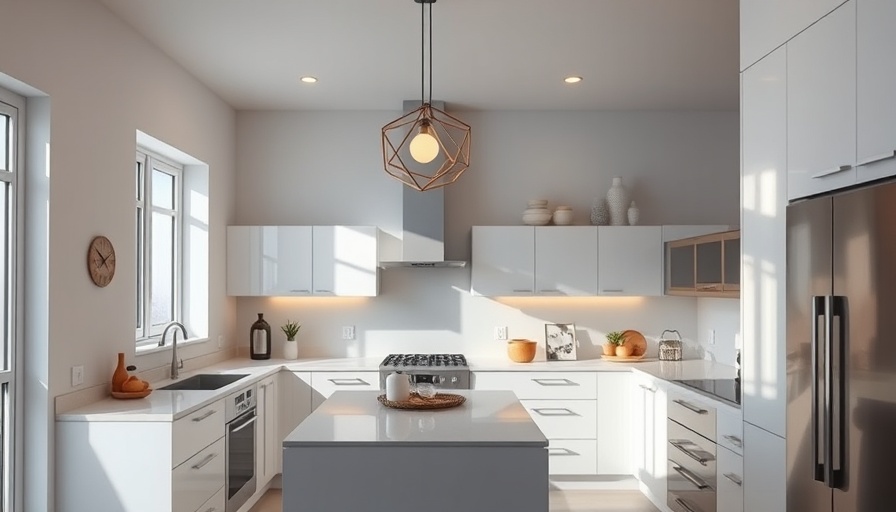
Modern kitchen lighting upgrade with geometric pendants

Transforming Your Kitchen: A Simple Lighting Upgrade

Kitchens serve as the heart of the home, where culinary magic happens and families come together. However, they can often be underwhelming, lacking the spark that elevates them from functional spaces to aesthetic havens. Fortunately, a simple yet effective upgrade can change your kitchen’s entire ambiance: replacing your light fixture. This enhancement is not only easy on the wallet but can significantly affect your kitchen’s visual appeal.

Why Lighting Matters: Aesthetic and Functional Benefits

Lighting is pivotal in shaping the mood and functionality of a kitchen. A well-selected fixture can not only brighten the space but also act as a focal point that reflects your personal style. From dramatic chandeliers to understated pendants, there are countless options that can cater to different tastes and kitchen styles. A statement piece can easily transform your kitchen into a chic and stylish environment, reminiscent of upscale restaurants or luxury homes.

Choosing the Right Statement Piece

The key to successful kitchen lighting is selecting a fixture that enhances the overall design. When it comes to statement pieces, consider something that stands out yet complements your kitchen’s aesthetic. For example, if your decor leans towards minimalism, a sculptural pendant light can provide a striking contrast, infusing the space with character. And for those with more eclectic tastes, a vintage chandelier might just become the centerpiece that brings the entire room together, serving as both a functional light source and a conversation starter.

The Importance of Scale and Proportion

Scale is crucial when selecting kitchen lighting. A fixture that is too small can go unnoticed, while one that is too large can overpower the space. As a guideline, aim for a light fixture that measures approximately a third of the length of your kitchen island or tabletop. This proportional design ensures that the fixture harmonizes with the surrounding space rather than detracting from it.

Finding the Optimal Height

An often overlooked aspect is the hanging height of light fixtures. If positioned too high, a fixture may appear lost in the space; however, if it hangs too low, it can obstruct views and disrupt the kitchen’s flow. The generally recommended height for fixtures above kitchen islands or tables is 30 to 36 inches, which provides direct task lighting while maintaining an airy feel.

Material Matters: Elevating Perception

The materials of your light fixture greatly contribute to the perceived value of your kitchen. Fixtures made from basic materials like plastic or flimsy metals can diminish the overall look of an otherwise beautiful kitchen. Opting for quality materials such as aged brass, matte black finishes, or hand-blown glass can impart a sense of luxury and sophistication. Even in a minimalist kitchen, a well-selected fixture imbues the space with charm and thoughtfully executed design.

Conclusion: Enhance Your Kitchen Today

Upgrading your kitchen lighting isn’t just about aesthetics; it’s about creating a welcoming space that resonates with your personal style. Consider making the simple change of swapping out your light fixture to elevate the functionality and visual appeal of your kitchen. This single upgrade can result in a transformed environment, ensuring that your kitchen embodies both elegance and comfort. For homeowners and business owners alike, making this investment can enhance your living or working space significantly, yielding a high return on enjoyment.

Material Mastery

43 Views

0 Comments

Write A Comment

*
*
Please complete the captcha to submit your comment.
Related Posts All Posts
06.10.2026

Discover Why Tile Countertops Are Holding Your Kitchen Back

Update Tile Countertops: A Thing of the Past? Once a staple in countless kitchens, tile countertops are increasingly falling out of favor among modern homeowners and interior designers alike. While their affordability and color variety initially made them appealing, their numerous shortcomings are becoming hard to ignore. In a world where clean lines and minimalist aesthetics reign supreme, tile countertops simply cannot meet the demands of the contemporary kitchen. The Grimy Truth About Grout The very element that once made tile countertops desirable—their grout lines—has now become a considerable hindrance. Grout is notorious for trapping dirt, grease, and food particles, creating a breeding ground for bacteria. Over time, it discolors, presenting a grimy appearance that no amount of scrubbing seems to remedy. Homeowners often find themselves caught between a rock and a hard place, burdened with the labor-intensive task of maintenance without the corresponding aesthetic satisfaction. Uneven Surfaces: A Cook's Nightmare Another drawback of tile countertops is their potential for unevenness. Variations in tile thickness can create frustrating cooking experiences, providing shaky surfaces when chopping or rolling dough. This seemingly minor flaw can transform mundane culinary tasks into aggravating challenges, ultimately detracting from the enjoyment of cooking. Aesthetic Outdatedness: Missing the Modern Touch In contrast to the seamless surfaces favored in current design trends—such as quartz and granite—tile countertops appear almost obsolete. The jarring outline of grout lines disrupts the sleek look sought after in modern kitchen aesthetics, creating a stark contrast that clashes with the sophisticated designs most homeowners desire today. Durability Compromised: A Costly Investment? While tile is often celebrated for its toughness, it’s not immune to cracking or chipping, especially when heavy objects come into play. Once a tile sustains damage, replacing it can result in a stark visual mismatch, which defeats the purpose of having what should be a cohesive and elegant countertop. Furthermore, tiles can lose their sheen over time, compounding the maintenance woes for homeowners seeking long-lasting beauty. Resale Value: A Hidden Cost? If you’re considering selling your home in the future, outdated tile countertops might undermine your efforts. Prospective buyers are increasingly looking for high-quality materials like quartz and granite that not only elevate the kitchen’s appeal but also promote a low-maintenance lifestyle. An outdated tile surface could become a turnoff, impacting your home’s resale value significantly. Considering alternatives to tile countertops could save countless hours of maintenance and frustration. Contemporary options—from quartz to granite—are not only aesthetically pleasing but also provide functional advantages that can significantly enhance the usability of your kitchen. Conclusion: Choose Wisely for a Lasting Impact Before backing a decision to install tile countertops, carefully weigh the potential drawbacks. Take into account not only personal preference but future ramifications for your home’s value and your overall kitchen experience. Explore other materials that embody both beauty and functionality.

02.28.2026

Discover How a 30-Minute Spring Cleaning Reset Can Transform Your Home

Update Unlock a Refreshing Home Energy in Just Half an Hour As the frost of winter melts away, homeowners and business enthusiasts alike are turning their attention to the transformative power of spring cleaning. While traditional approaches often imply extensive labor, modern philosophies highlight a visually rejuvenating reset that can be achieved in as little as 30 minutes. This approach is not about scrubbing every corner but focuses on selective, impactful changes that breathe new life into spaces. Why a Spring Clean Reset Is Essential The essence of spring cleaning transcends mere tidying; it symbolizes a mindset shift, welcoming a new season of energy and brightness. By focusing on light, texture, and selective editing, you can cultivate an inviting atmosphere that feels simultaneously refreshed and renewed—without the hefty price tag of a complete renovation. Optimize Light to Lift Spirits Start your 30-minute reset by optimizing natural light in your living spaces. Winter often leaves behind a layer of dust and grime on windows that can diminish the light flow into your home. Take a quick five minutes to wipe down the glass and dust the sills. This effort amplifies the illumination in your home, enhancing the colors of your decor and making small rooms feel more expansive. Switching heavier drapes for lighter, sheer options can further enhance the airy vibe. Creating a Zen Zone: Curate Your Surfaces Next, focus on one high-traffic surface—your coffee table, kitchen countertop, or hallway table. Clutter can quickly pile up, dominating the aesthetic of your home. Embrace the “Empty Surface” rule by completely clearing the chosen space and polishing it until it sparkles. Then, return just three curated items of varying heights. This minimalistic touch creates an intentional vignette, allowing your space to breathe and feel organized, even if other areas are still a work in progress. Textile Transition: Lighten Up Your Fabrics To complete your spring reset, transition your textile palette from heavy winter fabrics to breezy materials. Swap out thick pillows and cozy throws for lighter cotton or linen options with cheerful colors or pastel patterns. This simple change not only enhances the lightness in your space but makes your sitting areas feel inviting—ideal for spring gatherings. Introduce Natural Elements Into Your Home No spring refresh is complete without adding a touch of greenery. Integrating a botanical focal point—be it a vibrant plant, a bowl of fresh citrus, or a single blooming branch in a vase—adds life to your decor. This isn’t just about aesthetics; introducing living elements creates a connection to the natural world outside and intertwines your interior with the essence of spring. The Benefits of a Seasonal Refresh This 30-minute reset serves more than just a cleaning purpose; it is an act of recalibration for your home’s aesthetic. By focusing on the sensory signals of light, texture, and natural elements, homeowners can effectively transform their spaces. Your living environment should reflect the season, where a sense of calm replaces the chaotic residues of winter. Final Thoughts As spring approaches and invites us to shed the heaviness of winter, taking just half an hour to implement these quick yet effective changes can uplift your home atmosphere dramatically. Whether you’re a homeowner or a business owner looking to attract clients with an inviting space, this refreshing approach is both practical and aesthetically pleasing. Don't wait for spring to be fully here to act; embark on this quick reset to enjoy your space with renewed appreciation. There is something remarkably fulfilling about walking into a space that feels vibrant and alive.

02.27.2026

Explore Budget Biophilic Design Ideas for a Calmer Home Environment

Update Understanding Biophilic Design: More Than Just Greenery Biophilic design is a term that has gained traction over recent years, especially as we navigate increasing anxieties related to urban life. Originating from the idea of restoring our innate connection to nature, biophilic design extends beyond merely adding plants to a room. It encompasses the entire experience of living and working spaces, allowing them to transcend visual appeal to create an emotional response. Evidence suggests that integrating natural elements into our homes leads to lower stress levels and improved overall health. Biophilic Trends Driving Home Decor Decisions The latest biophilic design trends illustrate a profound shift in how homeowners regard their spaces. With more individuals working from home, there is a heightened awareness of creating environments that evoke calm and relaxation. Reflections from industry experts reveal that biophilic designs not only enhance aesthetics but also foster productivity and creativity. A recent study highlighted by Architectural Digest noted significant improvements in student performance when biophilic elements were introduced to their learning environments—a valuable lesson for our homes. Five Budget-Friendly Biophilic Design Strategies For homeowners looking to incorporate biophilic design without a headache-inducing renovation budget, here are five accessible and budget-friendly strategies: Curate “Green Zones” Over Clutter: Focus on creating designated plant areas, utilizing both large statement plants and smaller ones grouped in odd numbers. The ardent minimalist approach—where less is more—helps to maintain visual order in your space. The Mirror Hack—Maximize Natural Light: Utilize mirrors strategically to mimic windows. They reflect both light and greenery, significantly expanding the sense of space and uplifting energy. Layer Tactile, Natural Textures: Incorporate organic materials through small changes, such as swapping synthetic cushions for organic fabrics and embracing the authenticity of rough-hewn wood or woven textiles. Break the “Box” with Organic Shapes: Introduce curve-edged furniture and accessories to soften your interior, diverting the eye from harsh angles to gentle, flowing lines. Optimize Natural Light Flow: Prioritize adjusting your window treatments to maximize daylight and create a sense of tranquility through the natural rhythms of light. The Psychological and Physical Benefits of Biophilic Design Insights from environmental psychologists corroborate the benefits of biophilic design. Integrating nature-inspired elements can encourage emotional wellness and revitalization. Research by the LA Times reported that exposure to nature in built environments can lead to reduced stress, lower blood pressure, and heightened capacities for mental focus. Therefore, budget-friendly biophilic initiatives are not merely a trend but a vital consideration in enhancing our living and working environments for better health. Conclusion: Create Your Own Sanctuary In a world that can often feel overwhelming, embracing biophilic design can offer a pathway to serenity in our homes. By implementing simple strategies that elevate our connection to nature, we can transform our spaces—both aesthetically and emotionally. So take time to consider how you can merge your indoor life with the outdoor comfort of nature, creating not just a home, but a sanctuary.

Terms of Service

Privacy Policy

Core Modal Title

Sorry, no results found

You Might Find These Articles Interesting

T
Please Check Your Email
We Will Be Following Up Shortly
*
*
*

